“The sea, the great unifier, is man’s only hope.
Now, as never before, the old phrase
has a literal meaning: we are
all in the same boat.
Jacques Yves Cousteau
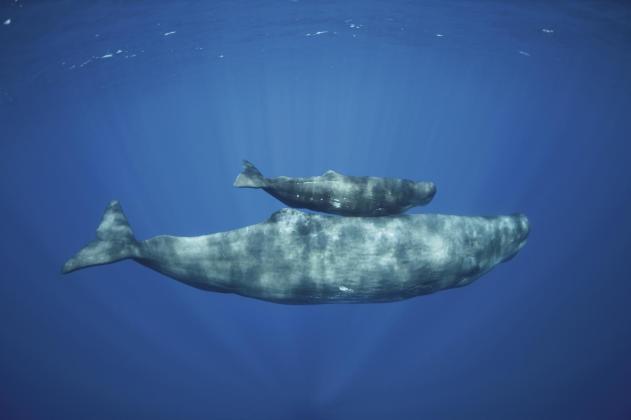
Scientists and researchers have known for quite some time that some of the most intelligent animals can be found not on land, but in our oceans.
For example, the sperm whale has the largest brain of any animal on earth, yet it is not considered one of the more intelligent aquatic marine mammals. Orcas and dolphins show strong signs of high intelligence, such as complex play behavior, the ability to learn, the ability to plan and even have regional dialects.
The patterns of clicking vocalisations these aquatic mammals use to communicate vary from clan to clan. Each whale clan, or group consisting of several families, has its own specific accent, or dialect.
A recent study in Canada, has evidence of these mammals capability of cultural learning; more specifically, that the whales learn the clicking patterns from each other, rather than other methods, such as genetic inheritance.
Several methods of evaluating their clicking sounds were examined. In the genetic inheritance method, for instance, whales inherit the ability to know which sounds to produce. Another method tested was individual learning, in which individual whales develop clicking patterns on their own. A third method was pure social learning, in which young whales learn clicking patterns indiscriminately from older whales.
What the study found is that social learning with bias, as opposed to pure social learning, is the most likely way whales learn clicking patterns. This means that the whales are biased towards learning certain clicking patterns, based on specific clicking from whales in their own clans, or the most commonly used. This is similar to how human dialects evolve.
It seems that man is not as unique with his communication skills as was always believed. There are other animals in the world, such as the whale that may have a great deal to teach man about a higher level of language.
Shine On
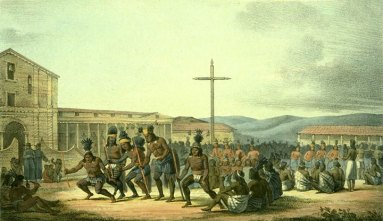
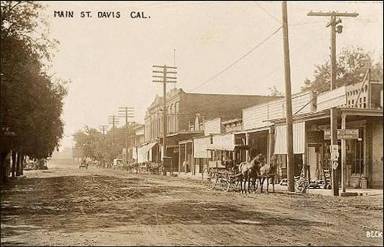 In the decades that followed, new arrivals to the area cultivated the area’s rich soil and raised livestock, such as cattle. Jerome and Mary Davis owned a ranch which at one time covered 12,000 acres, much of which would later be developed into the City of Davis, whose name derives from the Davis ranch.
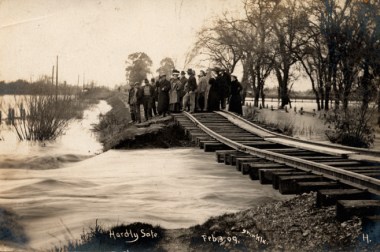 A north-south railroad line also increased the importance of Davisville, as the town was known until 1907, as a transport hub for the regional economy. With the increased railroad activity, the town grew like never before.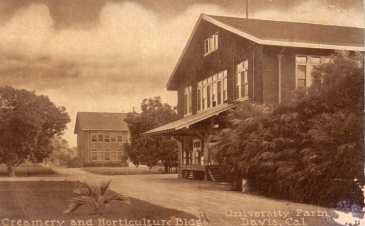

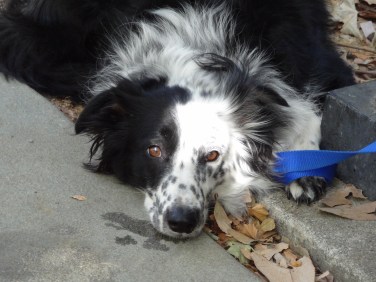 What a perfect day. Since the Hallmark Inn has bicycles for their guests to use, we decided to bicycle around town.



 After we bought up some goodies from the farmers market, we walked across the street to Crepeville on 3rd Street. We split a strawberry crepe and a side of potatoes, which was delicious.
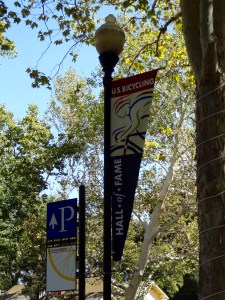 Our next stop was a short bike ride up 3rd Street to the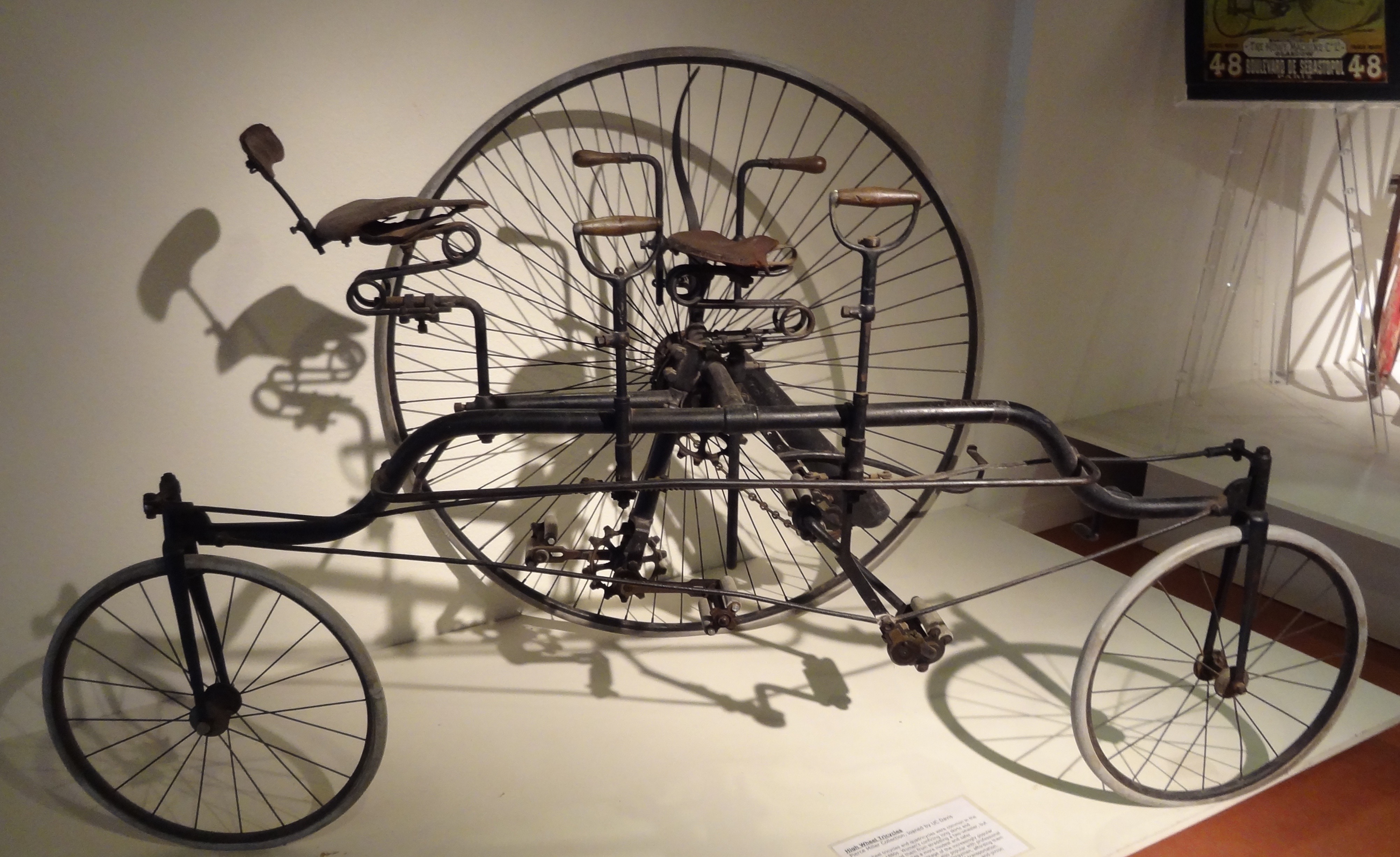




 The Hallmark lobby and my room were exactly as they had advertised. At first I was a bit concerned when I heard the Amtrak train come through town in the early morning hours, but I actually enjoy the sound of a train so it doesn’t bother me.