Redondo Beach Foxes

It only takes one clever fox
to best a thousand men.”
Nina Varela
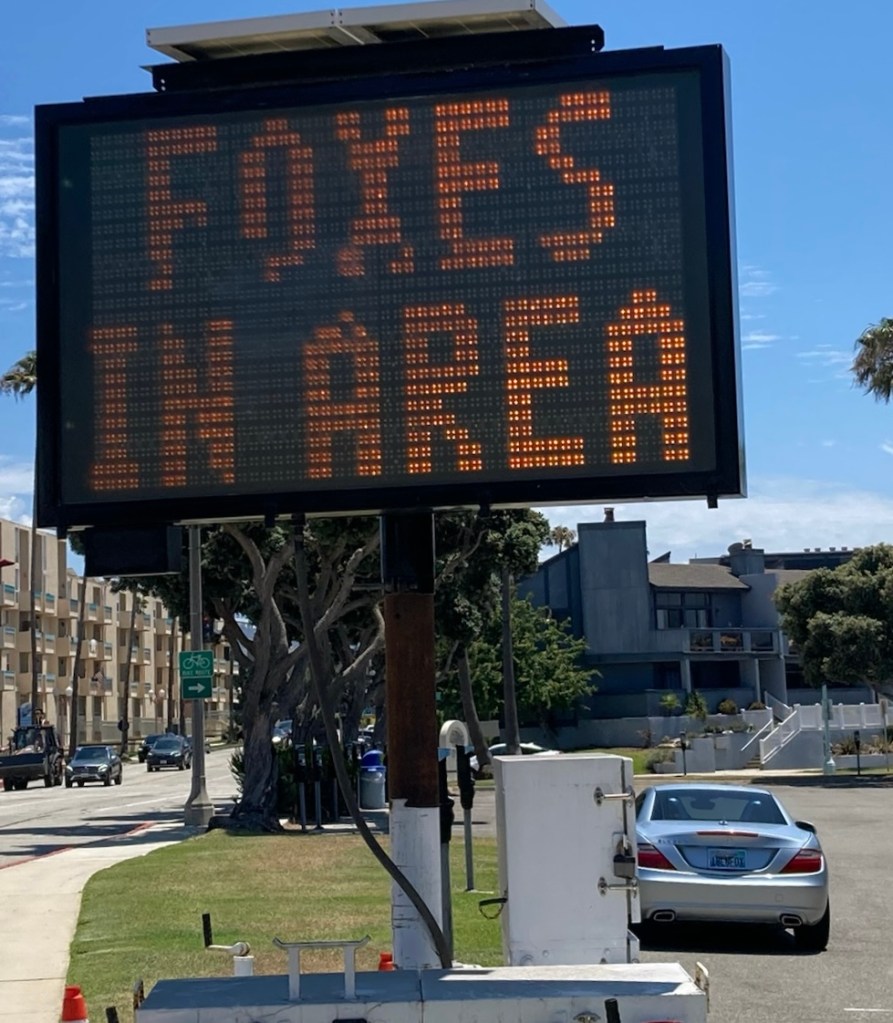


While driving home the other day, I saw this Dynamic Message Sign (DMS), “FOXES IN AREA”. I pulled over to take a photo. That’s my blue car in the bottom right. It’s hard to read my license plate but it reads: IBLUFOX. Yes, I’m a big fan of the fox, so much so I nicknamed my car, “Blue Fox”.

Over ten years ago, I saw a red fox on my daily evening walks. When I got home and told my husband, his response was: “We live at the beach. The only foxes I’ve ever seen are the bikini-clad ones.”

I wish my husband was alive today to witness the City of Redondo Beach announcing foxes in the area.
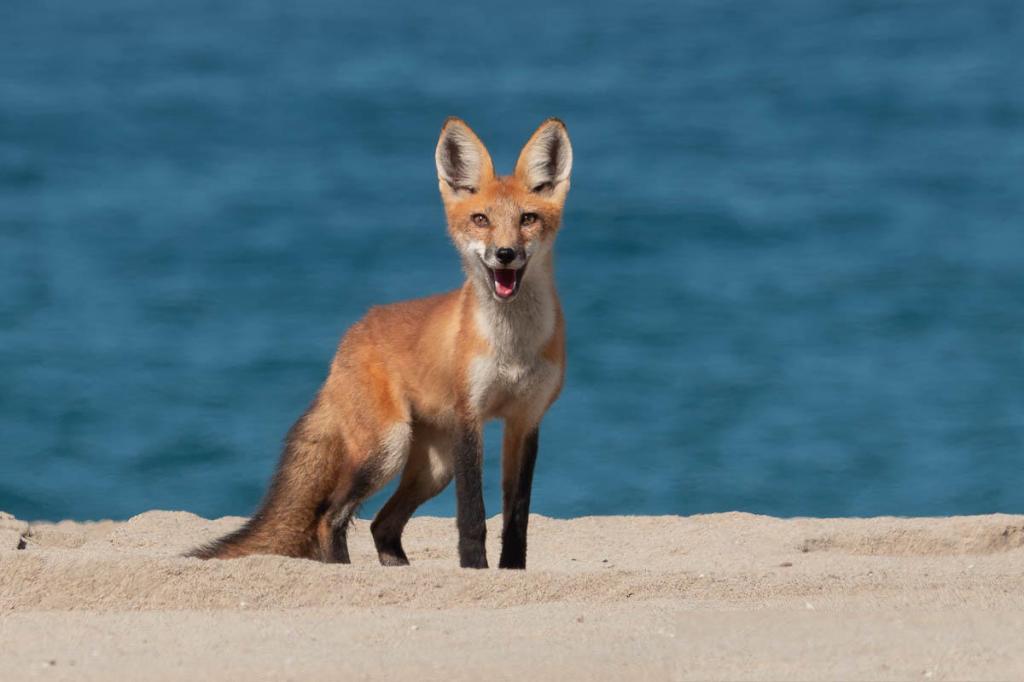
In California there are two populations of Red Fox – the native Sierra Nevada Red Fox, a threatened species found only in the Sierra Nevada and Cascade mountain ranges, and the more common, non-native Red Fox. Non-native Red Foxes were introduced decades ago for fox hunting and fur farming.

In my neighboring area of Palos Verdes, back in the 1920s they had fox hunting. Obviously, the foxes they released “outfoxed” the riders and headed to Redondo Beach to be closer to the ocean. Their populations have grown and gradually spread.

The fox, the smallest member of the dog family, is a highly adaptable species that inhabits mostly forest, chaparral, and desert regions, but can be found in nearly all habitats. There are three types of fox common to Southern California, including the Gray Fox, Red Fox, and Island Fox. The Southern California Kit Fox, a subspecies of Kit Fox, died out in Southern California in 1903.
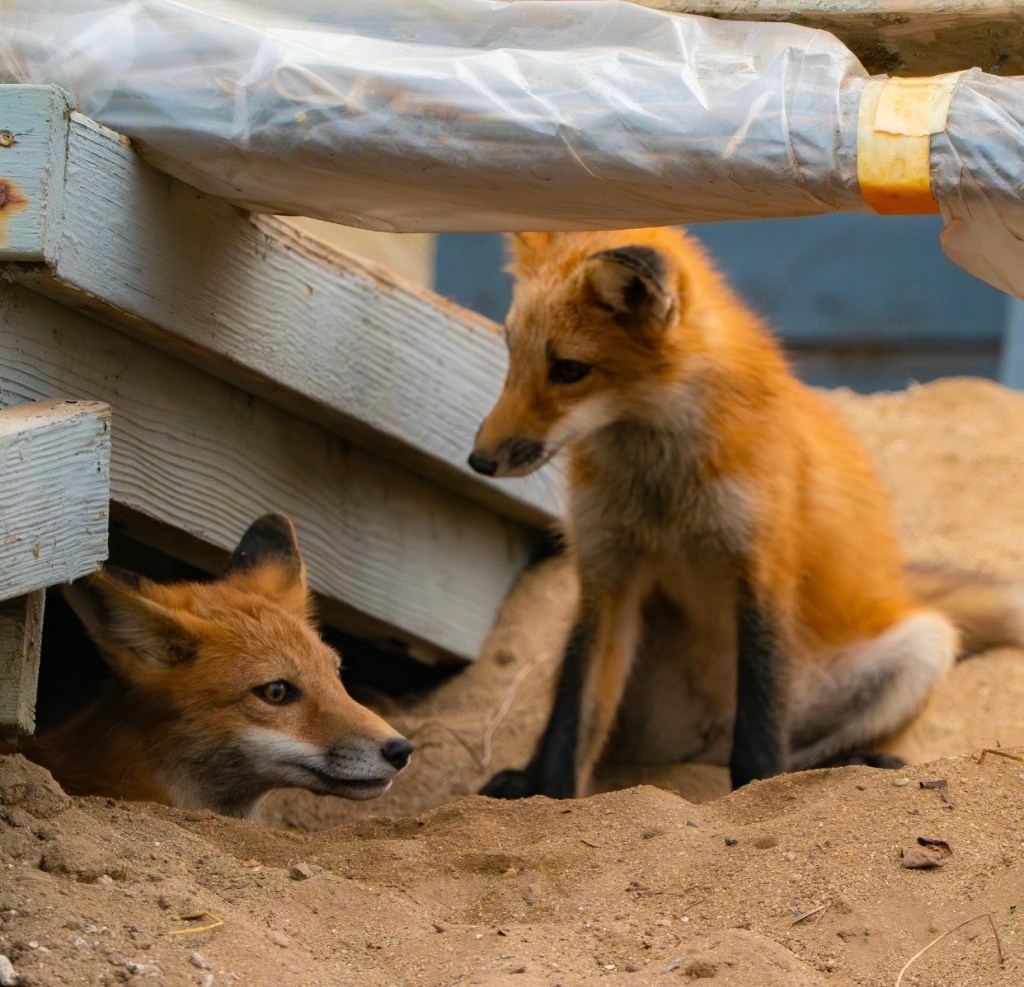
Two Red Foxes living at the beach under a lifeguard stand

Foxes are more solitary in their habits than are others in the dog family. They are territorial and can be aggressive, especially during the breeding season. Their once-a-year breeding season corresponds with the availability of food.

Despite the fact that urban foxes use human buildings for shelter and human refuse for food, their contact with humans is quite limited. Most people who live in an urban area have never seen a fox in the city. Foxes keep a nocturnal schedule, and in the nighttime are often mistaken for dogs when they are seen.

Red Foxes, the most commonly recognized fox, are known for their cleverness and have the largest range in North America. Although they are close relatives of the Gray Fox, they are considerably larger, normally ranging in size from ten to fifteen pounds. Their coats may be reddish or gray or even black, but their legs and feet are always black. The tail is tipped with white.

Socially, the fox communicates with body language and a variety of vocalizations. Its vocal range is quite large and its noises vary from a distinctive three-yip “lost call” to a shriek reminiscent of a human scream. It also communicates with scent, marking food and territorial boundary lines with urine and feces.

With all our fires and oil spills the last few years, our wild life has had to relocate and adapt. The bright side is some of our wild life thought to be outsourced by fires, and over building in rural areas have actually been thriving.

It’s exciting to witness one of my favorite animals in my own backyard, the Redondo Beach foxes.

Shine On

National Bird Day

“Birds are a miracle because they prove to us
there is a finer, simpler state of being
which we may strive to attain.”
Douglas Coupland

National Bird Day

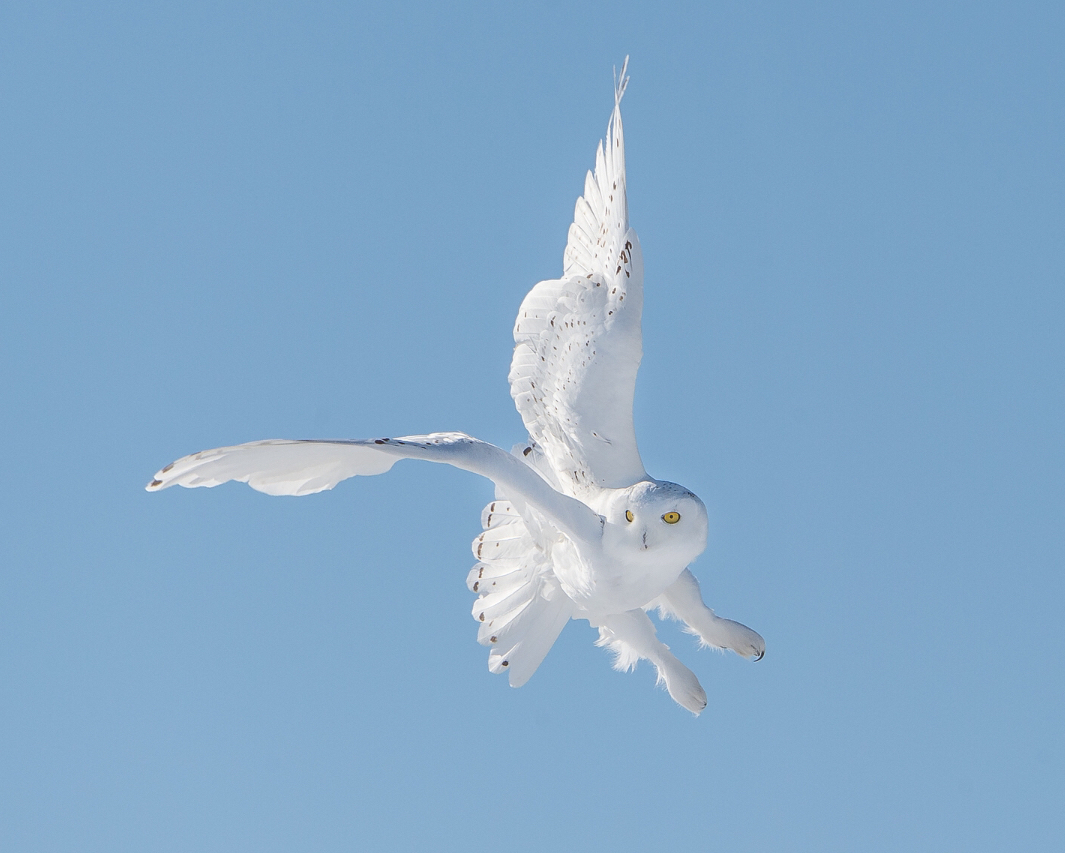
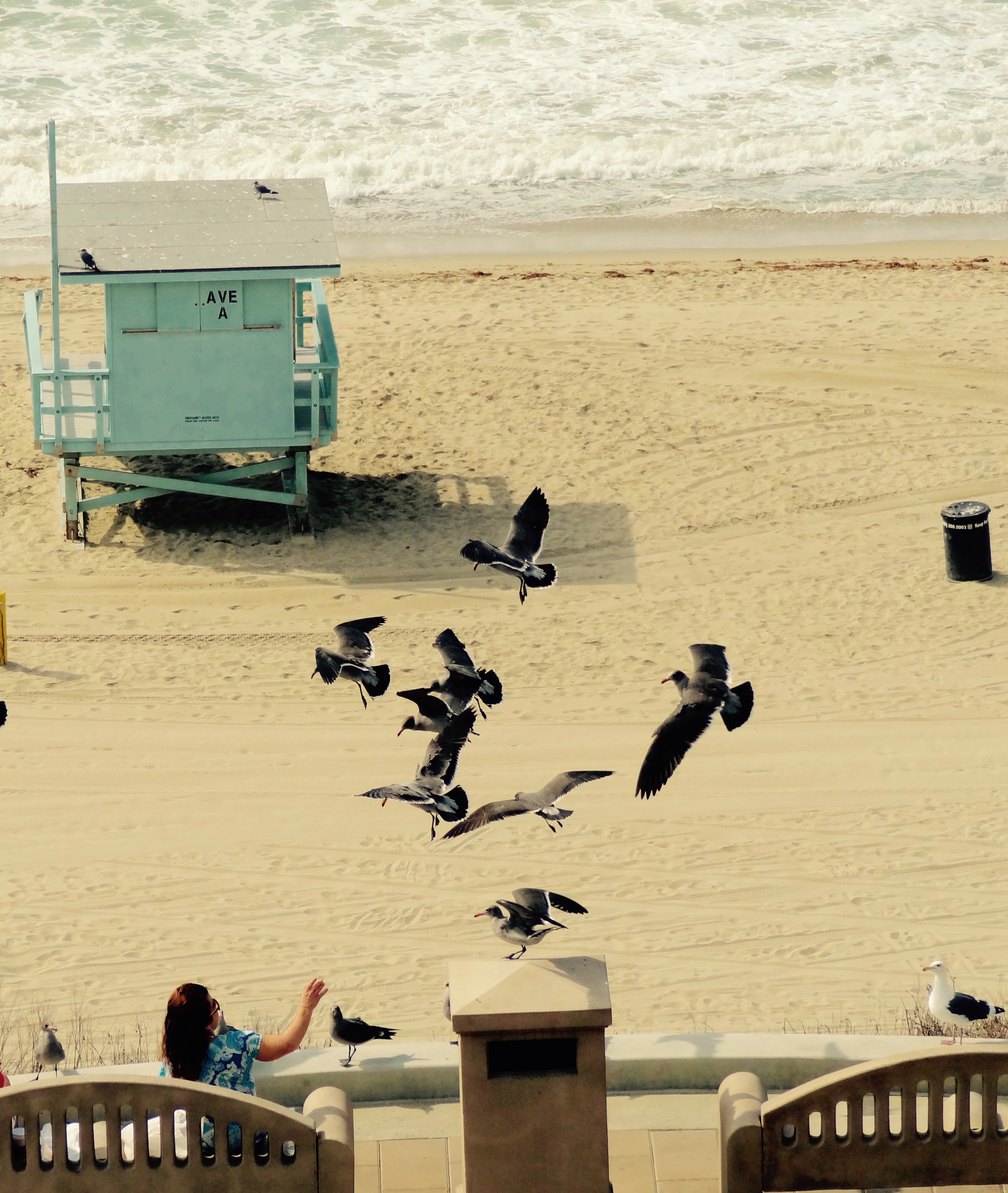
Yesterday was the 14th National Bird Day. Why do we have a National Bird Day? To celebrate the beauty, songs, and flight of birds, because birds have long been a source of human inspiration.

Sadly, today nearly 12 percent of the world’s 9,800 bird species may face extinction within the next century, including nearly one-third of the world’s 330 parrot species. Birds serve as our barometer of ecosystem health and alert system for detecting global environmental ills.

In fact, many of the world’s parrots and songbirds are threatened with extinction due to illegal pet trade, disease, and habitat loss.

We all need to be aware of the physical and behavioral needs of all birds to improve the welfare of the millions of birds kept in captivity. The survival and well-being of the world’s birds depends upon public education and support for conservation.

This is why we celebrate National Bird Day.

Shine On

The Eye of The Beholder

“Since we cannot change reality,
let us change the eyes which see reality.”
Nikos Kazantzakis

When you look into someone’s eyes or an animals eyes, what do you see? We are now able to know if the eyes are from a flight or fight species.

A scientific study recently analyzed the eyes of 214 species of land animals. What they discovered is that pupil shapes are directly linked to an animal’s ecological niche.

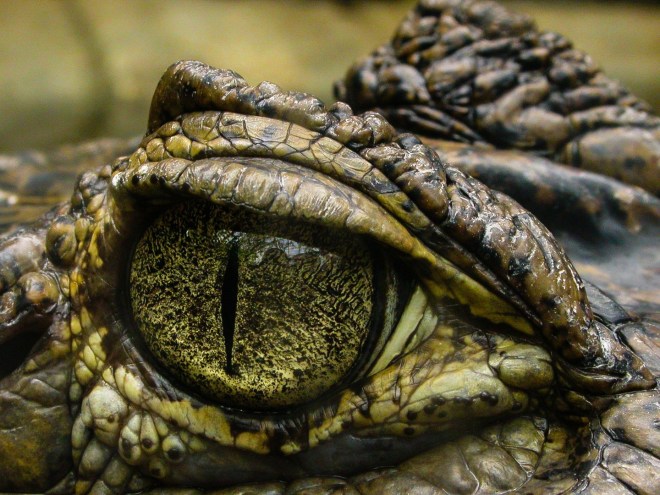
For instance, animals with pupils that are vertically elongated, like domestic cats and gators, are more likely to be ambush predators – hunters active day and night who use stealth, not strength or speed, to overcome their prey.

Animals with horizontally elongated pupils, such as goats and sheep are herbivore prey animals, the researchers found. Circular pupils, found in humans and birds, provide good all-around vision and are linked to animals that chase down their prey.

Species that are active both night and day with slit pupils provide the range they need to help them see in dim light yet not get blinded by the midday sun.

In fact the sideways orientation which the horse has, is very important for his survival when he is grazing. When he drops his head to graze, its pupils rotate (in opposite directions) by up to 70 degrees to stay horizontal, the researchers found.

While prey animals need to be able to see all around them, predators need binocular vision to see how far away their prey is. Vertical-slit pupils maximize binocular disparity, and blur, in which objects at different distances are out of focus, the scientists found.

But not all predators have vertical pupils.

What is surprising is that the researches noticed from their study that the slit pupils were linked to predators that were close to the ground. Domestic cats have vertical slits, but bigger cats, like tigers and lions, don’t. Their pupils are round, like humans and dogs.

This amazing research teaches us how remarkable the eye and vision can be for us as well as all of nature. Who knows, maybe in the not too distant future we will be able to simulate and see through the eye of the beholder.

Shine On