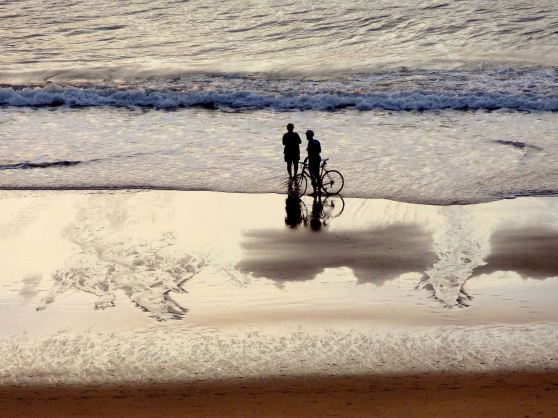
“Life is like a landscape.
You live in the midst of it
but can describe it only
from the vantage point of distance.”
Charles Lindbergh
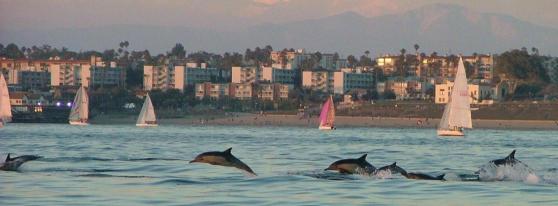
Over three hundred years ago the Chowigna Indians lived along the fertile land in Redondo Beach. They lived off the rich soil and fishing the ocean. There was an abundance of fish such as halibut, lobster, and sea bass.
Then in 1854 the Chowigna were sent off to missions and the wealthy Manuel Dominguez sold Redondo Beach to Henry Allanson and William Johnson. These two men saw the possibilities that Redondo would hold. In 1892, Redondo Beach was incorporated and became a major tourist attraction for all walks of life.
Redondo was once described as “The Gem of The Continent” in the Los Angeles Daily Herald newspaper. Through the years famous attractions such as the Redondo Hotel have long disappeared. They say the Redondo Hotel induced more visitors than ever before to venture to the coast.
During prohibition the Hotel Redondo closed its doors and in 1925 was sold for scrap lumber. Big time gambling, complete with mobsters and shooting incidents, found its way to Redondo during the Depression. Chip games, bingo parlors, and a casino were run in full view of the law between 1936 and 1940. For a fare of 25 cents, a water-taxi would transport a visitor to the gambling ship Rex which operated three miles off shore.
 Throughout its history famous people have flocked to Redondo Beach. During the silent film era, actor Charlie Chaplin was often seen visiting Redondo and even bought a beach cottage for his beloved mother. Charles Lindbergh attended a year of high school at Redondo Union as well as Demi Moore and the Smothers Brothers. Residents included world famous athletes, authors, an atomic scientist, astronaut, and even a Nobel Prize winner. Redondo Beach is home to beach volleyball Gold Medalist Kerri Walsh.
Hollywood also fell in love with Redondo. Numerous films and television shows have been filmed in Redondo Beach and it continues to be a favorite Hollywood location. Who doesn’t remember the desired destination of the road-tripping family in the 2006 movie “Little Miss Sunshine”.
There have been a few songs written about Redondo Beach, such as Patti Smith’s song “Redondo Beach” and the song, “Surfin’ U.S.A.” by The Beach Boys even gives Redondo a call out.
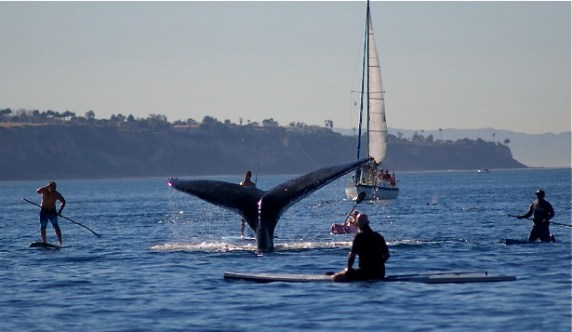
Yes, Redondo Beach has quite a history. Before moving to Redondo Beach over a decade ago, I didn’t know its history or anything about Redondo. All I knew was that it is utterly beautiful, it has ideal weather and the clean air helped me decide this is where I wanted to live. For me, Redondo Beach will always be such a magical place to live.
Shine On