Happiness


“Happiness is letting go of what you think
your life is supposed to look like and
celebrating it for everything that it is.”
Mandy Hall
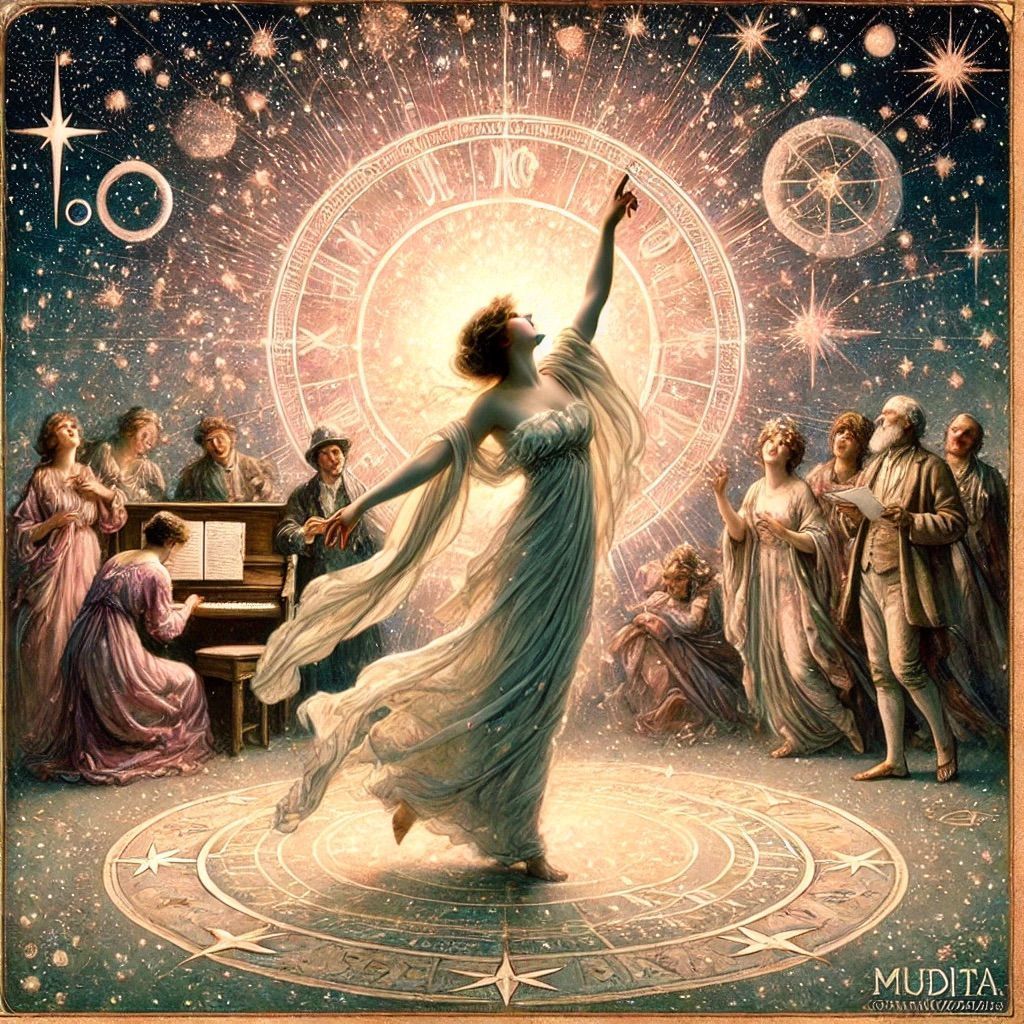

In Buddhist philosophy, there are four key states of mind that anybody needs to occupy to be happy and to reach enlightenment, and of these four mudită is generally considered to be the hardest, but also the most important.

To show joy is to celebrate happiness and achievement in others even when we are facing tragedy ourselves. Mudita is when you bask in the reflected joy of somebody else’s happiness. It’s the parent who smiles when they hear their children laughing in the next room. It’s when you jump with joy at a friends promotion. It’s when you smile and are grateful when your friend tells you that they are cancer free.

Mudită is a kind of joyous empathy that delights in the vicarious happiness of another person.

Buddhism says that we should bring more muditā to our interactions with all other people — in fact, all living things more broadly. And the philosopher Buddhaghosa laid out a method to do so.

Buddhaghosa says that we shouldn’t start with somebody that we love, because that is too easy. Nor should we start with somebody that we resent, because that is too hard. Instead, find somebody who is cheerful. Find the person who is a half full, optimistic kind of sort, and be around them a lot more. Let their cheerfulness wash over you, because it is contagious. Let their easy laugh and happy gratitude in, and so too will you become that way. From here, you should find a neutral person, and then the person you resent, until finally you are finding happiness in the joy of somebody you don’t even like.

Mudită is a blessing, because it allows us to experience more joy than ever before. We can experience the joy in our own individual lives, but we can also experience everywhere and in everyone’s lives their happiness.

Shine One

Father of the Cell Phone

“An inventor is one who can see the applicability
of means to supply demand five years before it is
obvious to those skilled in the art.”
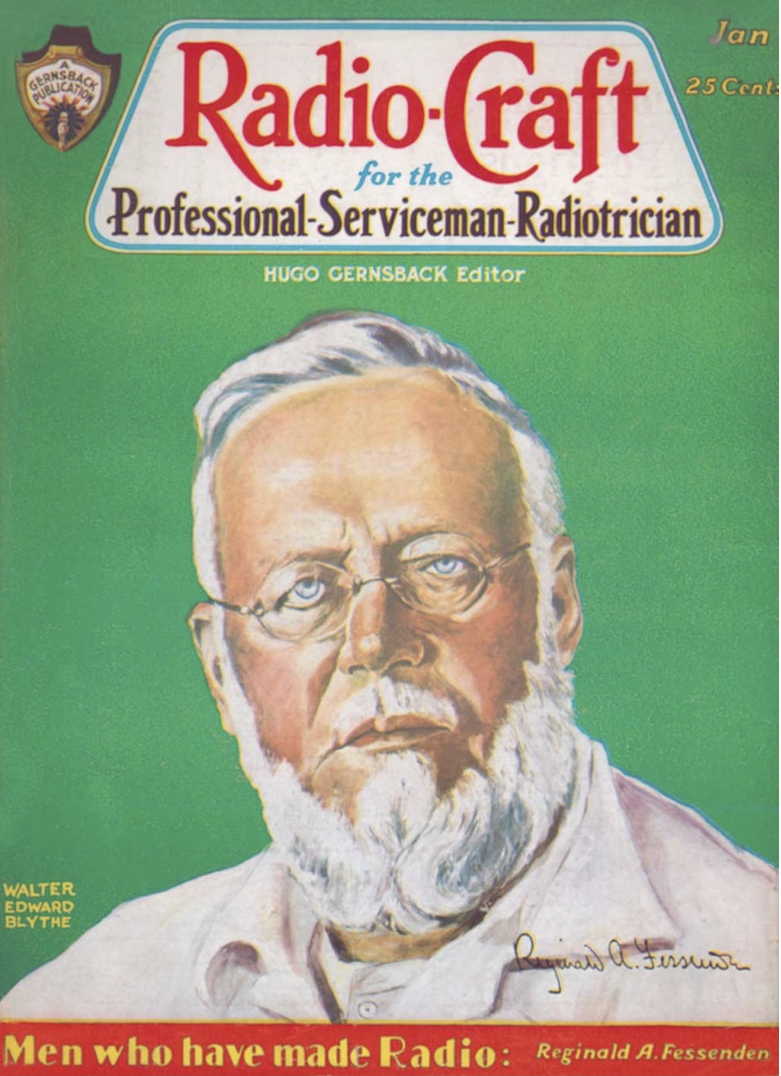
Reginald Fessenden

Our cell phones have the capability of a supercomputer. They can perform as a cell phone and instantly they are a computer, television, music playing device, camera, video camera, library, GPS, and a gaming system.

What I find interesting is that I use it less and less as a phone. My monthly cell phone bill shows zero actual phone minutes used and thousands of kilobytes used for data.

For example, at the DMV the other day, the line was hours long. So I pulled out my cell phone, and began reading a book from my OverDrive account.

When I looked around the long line of people, I noticed they too were engaged in cell phone activity. I began to wonder, how did cell phones first get started? So, I pulled up Google on my trusted cell phone.

The cell phone dates back to its early inception of the shore-to-ship radio telephony during the Second World War. The inventor, Reginald Fessenden probably never anticipated the huge impact he would have on society. An inveterate tinkerer, Fessenden eventually became the holder of more than 500 patents. His rendition of ‘O Holy Night‘ from a 1906 broadcast was the first coherent audio transmission to be received.

The telephony developed into mobile phones that were first used for automobiles in the 1940’s. The early mobile phones of the 1970’s to the 1990’s were bulky, consumed high power and the telephone network supported only a few simultaneous conversations. The first cell phone I used in 1993 could only be used in the car and was the size of a man’s size 12 shoe.

I wonder how Reginald Fessenden would react to the huge success of his invention? No doubt he would be proud. But, I bet he would of had no idea how far his inventions would take us and that he would become the father of the cell phone.

Shine On

Reflection of Who We Are

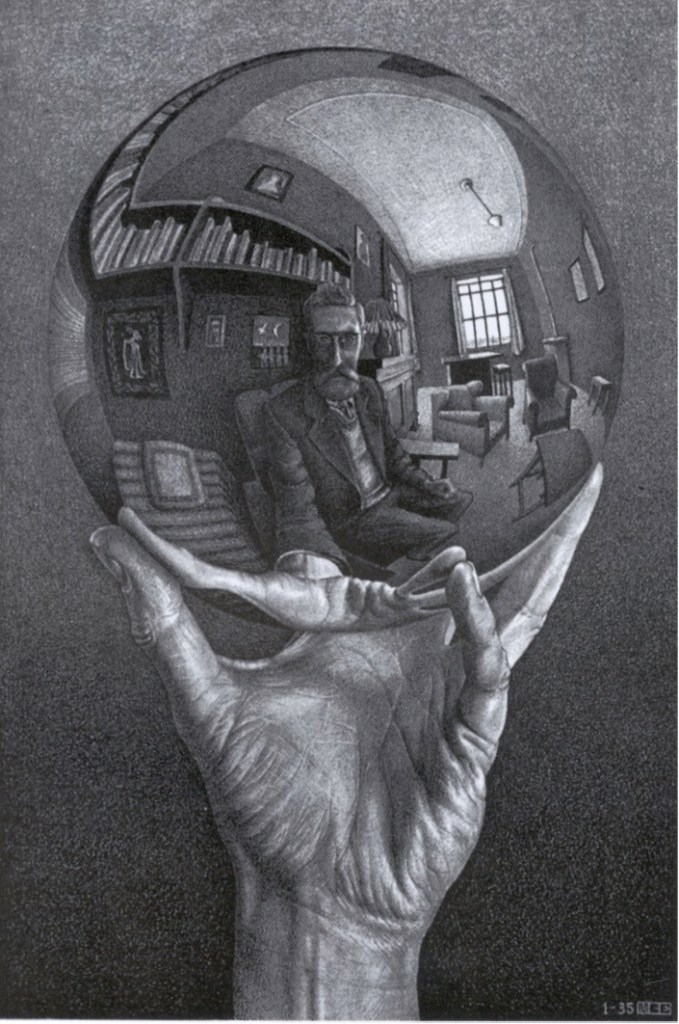
“The world is a looking glass and gives back
to every man the reflection of his own face.”
William Makepeace Thackeray

Once upon a time there lived two dogs. Both dogs at separate times walk into the same room. One comes out wagging his tail while the other comes out growling.

A woman watching this goes into the room to see what could possibly make one dog so happy and the other so mad. To her surprise, she finds a room filled with mirrors.

The happy dog found a thousand happy dogs looking back at him, while the angry dog saw only angry dogs growling back at him.

The moral of this story. What you see in the world around you is only a reflection of who we are.

Shine On