A Champion For Women


“”The truth will set you free
But first it will piss you off.” 
Gloria Steinem


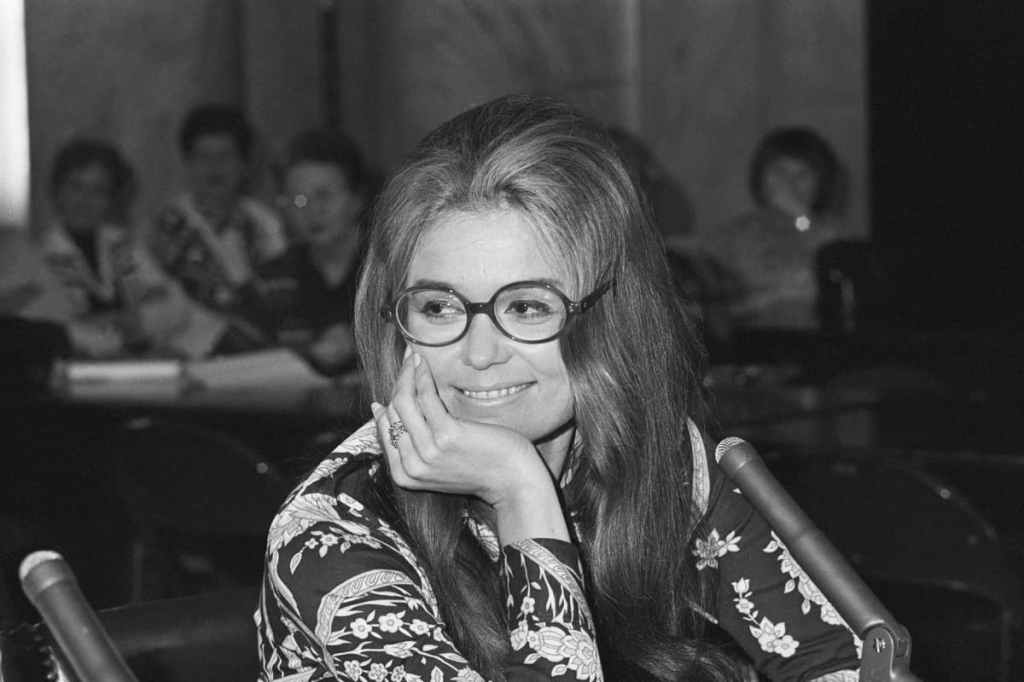
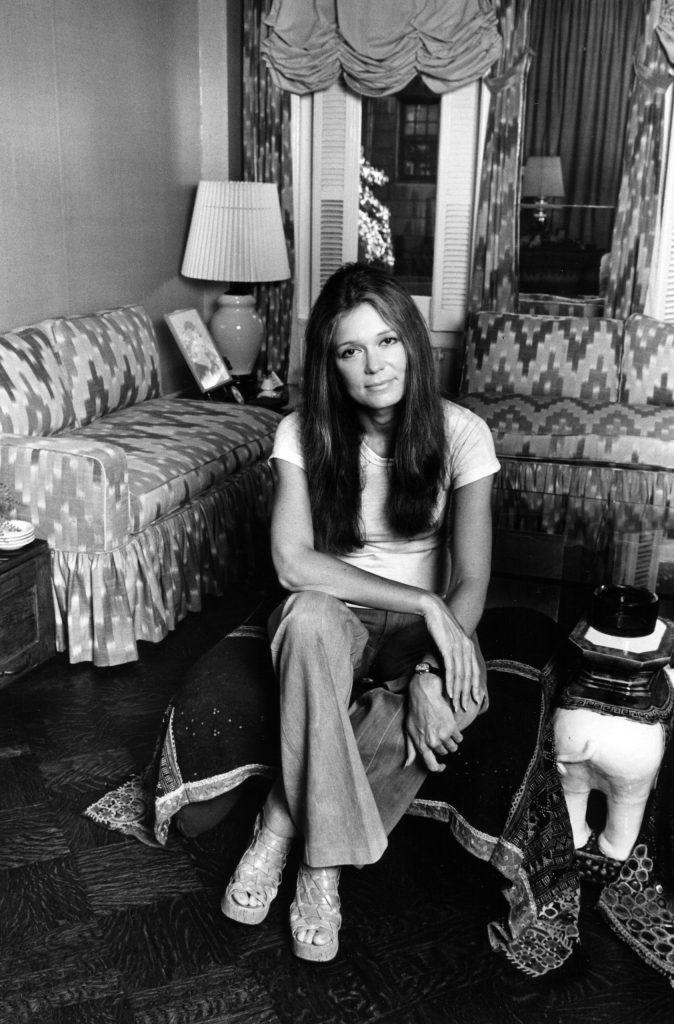
Last Wednesday, September 2, 2026 the World lost another passionate talented and intelligent woman. Gloria Steinem, the American journalist and political activist who became the face for feminism in the late 1960s and early 1970s, died at age 92.

Born on March 25, 1934, in Toledo, Ohio, Gloria Marie Steinem inherited an activist tradition. Her grandmother served as chair of the educational committee of the National Women Suffrage Association and also helped rescue members of her family, who were Jewish, from Germany during the mid-1930s.

Steinem graduated from Smith College and moved to New York in 1960, where she was often sexualized and dismissed while searching for reporting jobs in a male-dominated journalism industry. “We need a reporter, not a pretty girl,” she says she was told by an editor at Life Magazine.

By 1962, one of her first articles was published in Esquire Magazine, an exploration of birth control and shifting sexual beliefs among college students. Themes that would continue to appear in her later work.

Gloria’s near century on earth were years well lived, and she continued working for equality until the very end. Steinem was a feminist icon who spent the better part of a century advocating for women’s rights in the workplace, especially equal pay for women as well as the right to abortion and sex education.

Her name and face became synonymous with the fight for women’s rights. She continued to be a vocal proponent of feminism and other liberal causes; like anti-war activism well into her 90s. She devoted her life to the pursuit of equality and political change. She worked tirelessly for over 70 years to ensure each generation built upon the work of the previous one.

I will be forever grateful for her many accomplishments helping woman. She fought so I could choose whatever I wanted to do with my life rather than be confined by traditional gender roles. Something she said that I have lived by is:
“Do what you love so much that you forget what time it is when you’re doing it.”

She changed women’s lives by opening up possibilities we never imagined. “Far too many people are looking for the right person, instead of trying to be the right person.” As she also stated: “Women are not a special interest group; they are half the population.”

She lit a torch many years ago. It is now our responsibility to keep that torch lifted and lit into the future.

Rest in peace Gloria. You will be missed as a champion for woman.

Shine On

E. B. White


“I arise in the morning torn between
a desire to improve the world and
a desire to enjoy the world.”
E. B. White


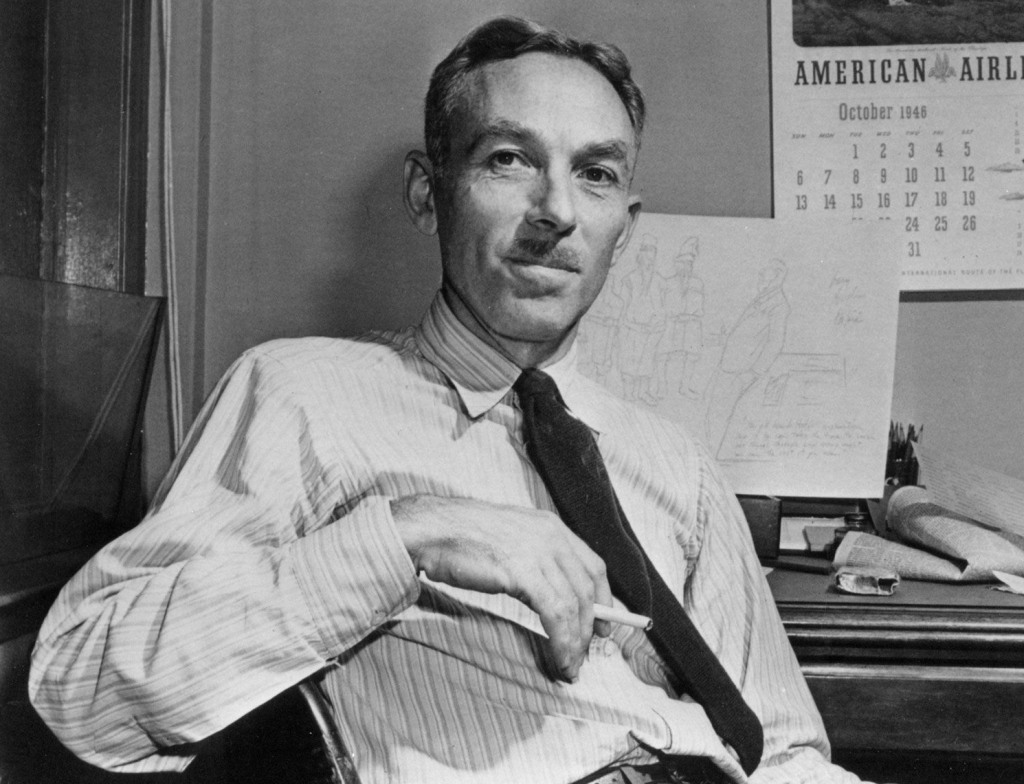
E.B. White was born on July 11, 1899, in Mount Vernon, New York. He was an American essayist, author, and literary stylist, whose eloquent prose appealed to readers of all ages.

White graduated from Cornell University in Ithaca, New York, in 1921 and worked as a reporter and freelance writer before joining The New Yorker magazine as a writer and contributing editor in 1927.

He married Katherine Sergeant Angell, The New Yorker’s first fiction editor, in 1929, and he remained with the weekly magazine for the rest of his career. White’s essays for The New Yorker  quickly garnered critical praise. Written in a personal, direct style that showcased an affable sense of humor, his witty pieces contained musings about city life, politics, and literature, among other subjects. White also wrote poems, cartoon captions, and brief sketches for the magazine, and his writings helped establish its intellectual and cosmopolitan tone.

While writing for The New Yorker magazine, in 1929 White collaborated with James Thurber on Is Sex Necessary?, a spoof of contemporary sex manuals. He also wrote a monthly column for Harper’s magazine mostly about rural life.

As an undergraduate at Cornell, White had taken a course with Professor William S. Strunk Jr. Strunk used a text he had written and published at his own expense, a thin volume titled The Elements of Style. 

White edited it, revised it, and added the chapter “An Approach to Style,” offering such advice as “Place yourself in the background; do not explain too much; prefer the standard to the offbeat.” The book sold widely and became a college campus fixture for the next twenty years in several editions and continues to be the go to book for writers.

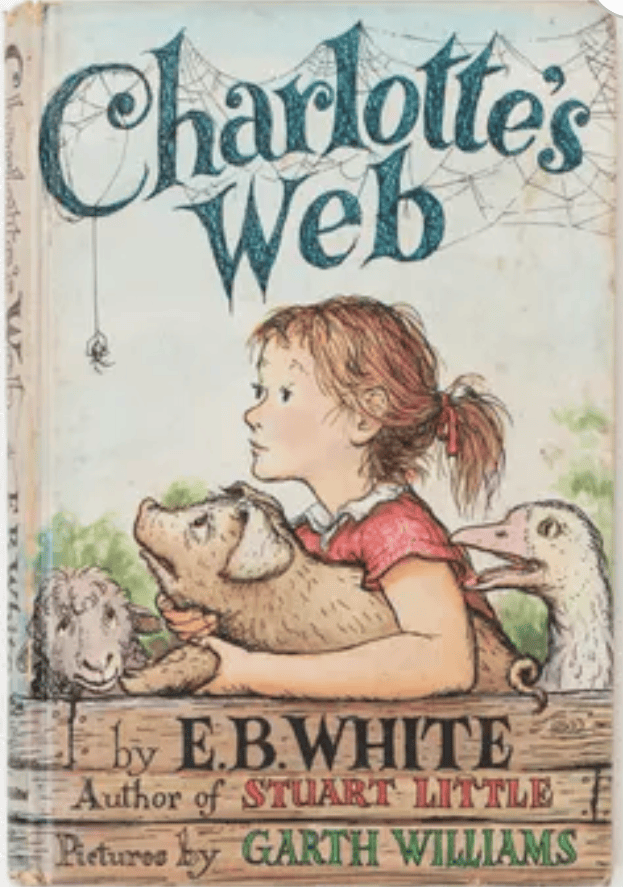
My introduction to E. B. White was his 1952 book, Charlotte’s Web when Mrs. Monroe, my third grade teacher read the book out loud to us in class. I enjoyed this book so much, I remember reading his other two children’s books, Stuart Little, and The Trumpet of the Swan now all considered classics. These three books featured lively animal protagonists who seamlessly interact with the human world.

E. B. White’s influence was great, particularly in his popular essays, which served as models for two generations of readers. In the 1930s, 1940s, and 1950s, the New Yorker was judged by critics to be a model of elegant yet simple style in nonfiction, and White was in no small measure responsible for this reputation.

To this day, I admire White because he combined a clear, beautiful writing style with deep empathy for animals and everyday life. He died at age 86 years old on October 1, 1985 in North Brooklin, Maine but left a World of admiring readers of E. B. White.

Shine On

Musicophile

“Music is the soundtrack of your life.”
Dick Clark


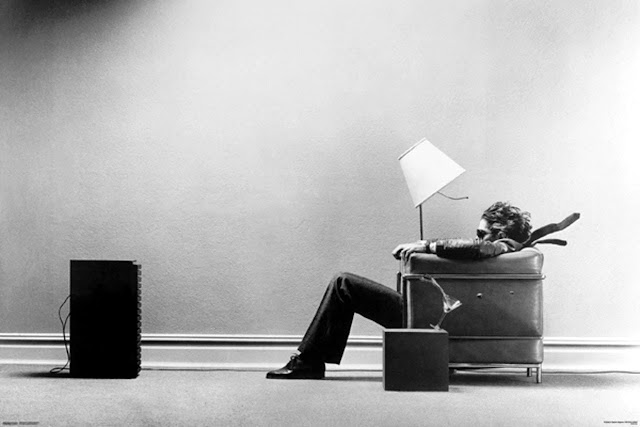
The definition of a musicophile is an avid lover and enthusiast of music. Point of fact, a musicophile’s passion is deeply rooted in the artistry, history, and emotional experience of the music itself. If this definition is true, I believe most people would call themselves a musicophile.

My love of all styles and types of music began as a child. There was music always playing in our home. My parents had a large collection of albums, 45s and even large reel tapes. I learned how to use the record player long before I could read.

Recently I read Oliver Sacks 2007 book, Musicophilia: Tales of Music and the Brain. In this book, Dr. Sacks explores a range of psychological and physiological ailments and their connections to music. He wrote the book in an attempt to widen the general populace’s understanding of music and its effects on the brain. Sacks states at the outset of the book’s preface, music is omnipresent, influencing human’s everyday lives in how we think and act. 

For those of you not familiar with Dr. Sacks work, he wrote the book, Awakenings, which the 1990 feature film by the same name is based. In the book and movie he describes his medical experiences using a drug levodopa on Parkinson’s and post-encephalitic patients at the Beth Abraham Hospital, later Beth Abraham Center for Rehabilitation and Nursing, in New York.

Since the 1970s, there have been multiple studies on the benefits of music therapy for people with medical conditions, trauma, learning disabilities, and handicaps. Most of the documented studies for children have shown a positive effect in promoting self-actualization and developing receptive, cognitive, and expressive capabilities. 

For me, music can evoke a time in my life. Can evoke emotions and even the memory of pleasant scents from decades past. All this from listening to a single song.

During 2023 I published my first poetry book, Heartstrings, An Anthology From A to Z. All the poems in my book I always imagined as lyrics to songs. Then in 2026, I wrote, produced and put together a 13 track album, Dragonfly. I’ve uploaded the album to SoundCloud and will soon add the album to Spotify and Apple Music.

My life long love of music has come full circle, for this full-blown musicophile.

Shine On

Father of the Cell Phone

“An inventor is one who can see the applicability
of means to supply demand five years before it is
obvious to those skilled in the art.”
Reginald Fessenden

Our cell phones have the capability of a supercomputer. They can perform as a cell phone and instantly they are a computer, television, music playing device, camera, video camera, library, GPS, and a gaming system.

What I find interesting is that I use it less and less as a phone. My monthly cell phone bill shows zero actual phone minutes used and thousands of kilobytes used for data.

For example, at the DMV the other day, the line was hours long. So I pulled out my cell phone, and began reading a book from my OverDrive account.

When I looked around the long line of people, I noticed they too were engaged in cell phone activity. I began to wonder, how did cell phones first get started? So, I pulled up Google on my trusted cell phone.

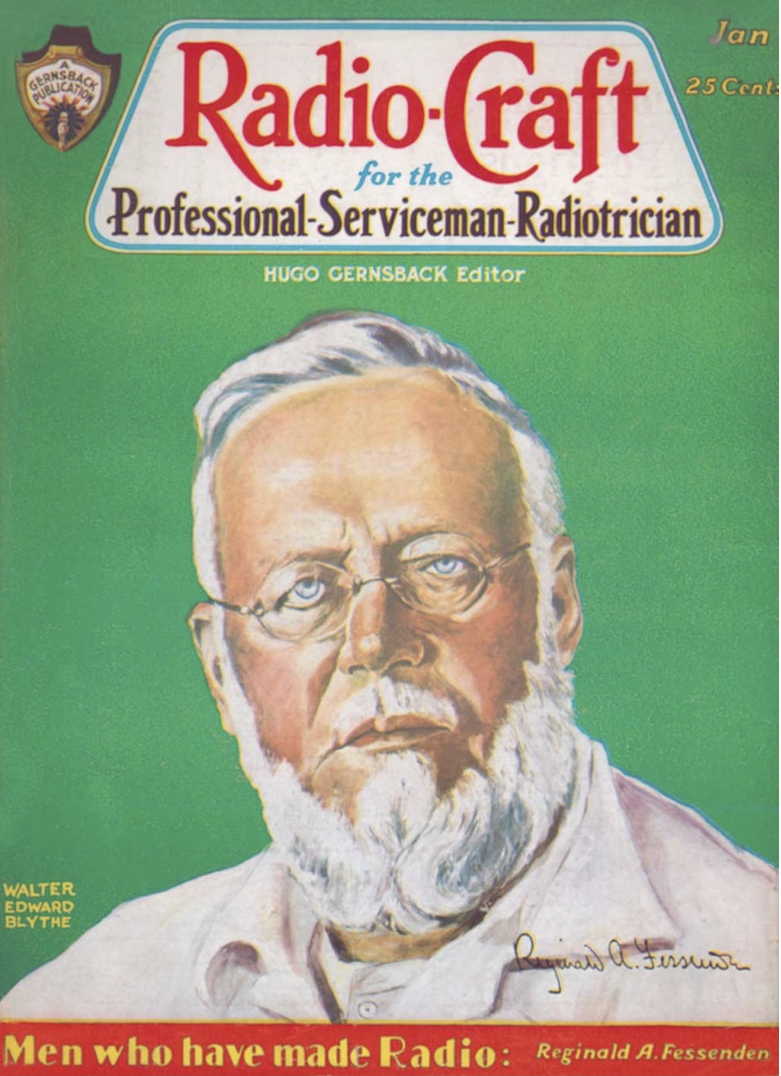
The cell phone dates back to its early inception of the shore-to-ship radio telephony during the Second World War. The inventor, Reginald Fessenden probably never anticipated the huge impact he would have on society. An inveterate tinkerer, Fessenden eventually became the holder of more than 500 patents. His rendition of ‘O Holy Night‘ from a 1906 broadcast was the first coherent audio transmission to be received.

The telephony developed into mobile phones that were first used for automobiles in the 1940’s. The early mobile phones of the 1970’s to the 1990’s were bulky, consumed high power and the telephone network supported only a few simultaneous conversations. The first cell phone I used in 1993 could only be used in the car and was the size of a man’s size 12 shoe.

I wonder how Reginald Fessenden would react to the huge success of his invention? No doubt he would be proud. But, I bet he would of had no idea how far his inventions would take us and that he would become the father of the cell phone.

Shine On

Persistent Illusion


“People like us, who believe in physics, know that the distinction
between past, present and future is only
a stubbornly persistent illusion.”
Albert Einstein

Shine On