“There was never a night or a problem
that could defeat sunrise and hope.”
Bernard Williams

Redondo Beach at Sunrise
Shine On
“There was never a night or a problem
that could defeat sunrise and hope.”
Bernard Williams
Shine On
“I find television very educating.
Every time somebody turns on the set,
I go into the other room and read a book.”
Groucho Marx
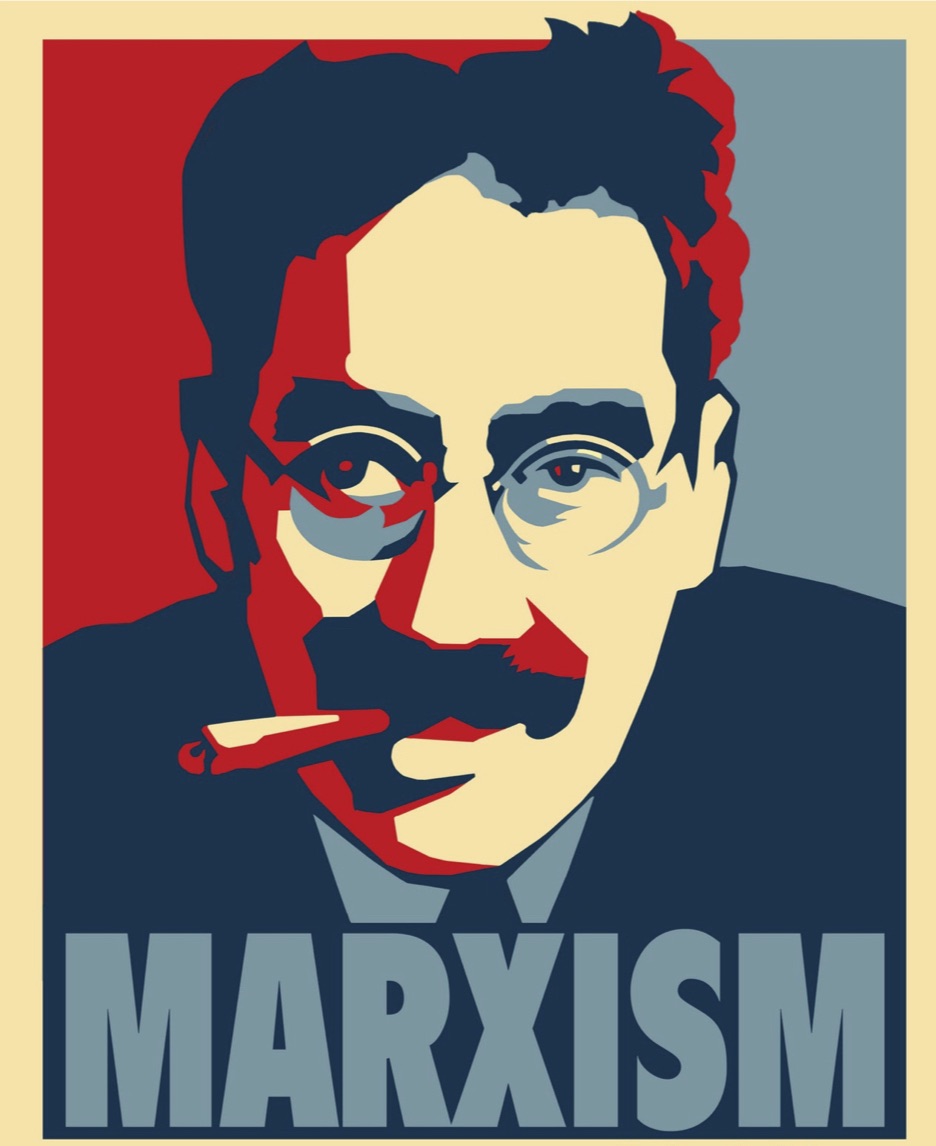
This year I decided that I spend too much time in front of the television, so I finally cut the cord. Not that I don’t enjoy watching all my favorite shows, but most of these shows I can watch on other noncable outlets. For example, my library has watching apps such as Hoopla, Kanopy and Pluto TV, all free if you have a library card.
Last year I promised myself that I would read a book a week. I came very close to that goal and missed it by only three books. Actually, I would have exceeded my goal if I had not watched so much television.
Most of the books I read last year were from my public library. This library is a beautiful old Spanish style building from the 1920s, situated on exquisite grounds with peacocks wandering throughout the property. I love visiting this library because of its picturesque setting and because it is rarely busy. I’m always able to get whatever books I want to read without having to wait weeks or days, even during a pandemic.
My favorite way to read is using my iPad for its ease of reading. If I want to read a magazine, my library has them for free using the app, Flipster. However, most of the books I read are downloaded to my iPad from the library using the app, OverDrive.
Whichever means of reading magazines and books I choose this coming year, I will have my plate full of good writings to read.
Shine On
“All mine!” Yertle cried.
“Oh, the things I now rule!
I’m the king of a cow!
And I’m the king of a mule!
I’m the king of a house!
And, what’s more, beyond that.
I’m the king of a blueberry bush and a cat!
I’m Yertle the Turtle!
Oh, marvelous me!
For I am the ruler of all that I see!”
Yertle the Turtle
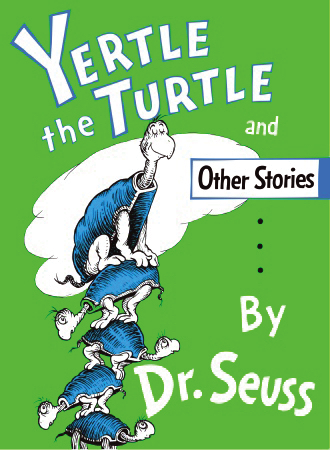
If you follow my blog, you know I’m a fan of Dr. Seuss. His stories are not only entertaining but also teach morality.
Recently I read a thesis on Dr. Seuss written by a young woman. She wrote about how Dr. Seuss stories always have a political theme and because of this, his stories are not suitable to read to young children. She believes that young children are not smart enough to understand these political themes.
This young college student obviously does not have children. Unfortunately, because I don’t know how to contact this woman, I am unable to tell her how wrong she is.
When my son was very young I would read to him Yertle the Turtle, his favorite bedtime story. Before he could walk, he would crawl over to his bookcase in his room and drag this large green book to me. With little talking he could do, he would ask me to read this story. Up until he was two or three years of age, I must have read this book to my son well over 100s of times.
Yertle the Turtle made such an impact on my son, that I believe his values, his political beliefs and his compassion for the difference between right and wrong are due to this simple story, Yertle the Turtle.
If you are a young parent, and you wish to teach your child about standing up for their self, about compassion for every living thing, bullying, and yes a little about politics and power, then you should be reading this book to your child.
Yertle the Turtle and all of Dr. Seuss books are not just entertaining to read out loud, but they are a great way to teach our children the difference between right and wrong.
Shine On
‘Sunset is a wonderful opportunity
for us to appreciate all the great things
the sun gives us.”
Mehmet Murat ildan

Shine On
“This is the light of autumn;
it has turned on us.
Surely it is a privilege to
approach the end
still believing in something.”
Louise Gluck

Last week I was inspired by a fellow blogger, Erika Kind at Share Your Light who posted a beautiful poem she wrote. The photo she used accompanying her poem, Love is Free, looked uncannily familiar.
That being said, my above photo was taken two years ago, a few days before my husband died. Little did I know it would be the last photo I shared with him.
Often when I take photos, I never see what the images look like until I upload them to my laptop. So, when I took this image, I didn’t notice how the clouds looked like there was a heart in the center surrounded by what appears to be angel wings. Stunned by the image, I immediately shared it with him and he told me how beautiful it was.
He always enjoyed all my photos and I will be forever appreciative of his love and support of my photography.
Autumn is a season for balancing light and dark. It is the season of letting go, and accepting the impermanence of things. Autumn is also the right time to practice getting out of the way and letting the soul take charge of our lives.
As we head into winter, the old year is dying. This is the time we think about death in our own lives. Remember and honor those you love who’ve passed on before you.
Contemplate what needs to “die” within you in order to welcome the new life that will grow into next year.
This blog post and photo is dedicated to him and to all the love, laughter and lifetime memories we shared. He was my angel heart.
Shine On
 Chronicles of a Blogaholic