“The sun melted the cloud a bit,
like cotton candy in the heat.”
Debra Anastasia

Shine On
“The sun melted the cloud a bit,
like cotton candy in the heat.”
Debra Anastasia
Shine On
“Twenty years from now
you will be more disappointed
by the things that you didn’t do
than by the ones you did do.
So throw off the bowlines.
Sail away from the safe harbor.
Catch the trade winds in your sails.
Explore. Dream. Discover.”
Mark Twain

Shine On
“You’ve got to be taught, to hate and fear
You’ve got to be taught from year to year
It’s got to be drummed in your dear little ear
You’ve got to be carefully taught”
Oscar Hammerstein II & Richard Rodgers

It was a beautiful sunny day in Southern California, so I decided to take a leisurely drive north up Pacific Coast Highway. With the top down in my car and the wind in my hair, I was happily listening to my new James Taylor music from his, American Standard album.
I’ve been listening to Taylor’s music for the past five decades and I was excited to hear that this man’s voice has not changed. All the songs on the currently released album are classics that I was familiar with. There’s one song he sings from the musical South Pacific, You’ve Got to be Carefully Taught which I can remember as a child but the words never really sunk in until now.
For those not familiar with the 1949 Broadway musical, South Pacific, it’s a story adapted from the 1947 Pulitzer Prize-winning novel by James A. Michener titled, Tales of the South Pacific. The novel is a collection of Michener stories he wrote about the Pacific campaign in World War II. The stories focus on the interactions between Americans and native islanders and deal heavily with the issue of racism.
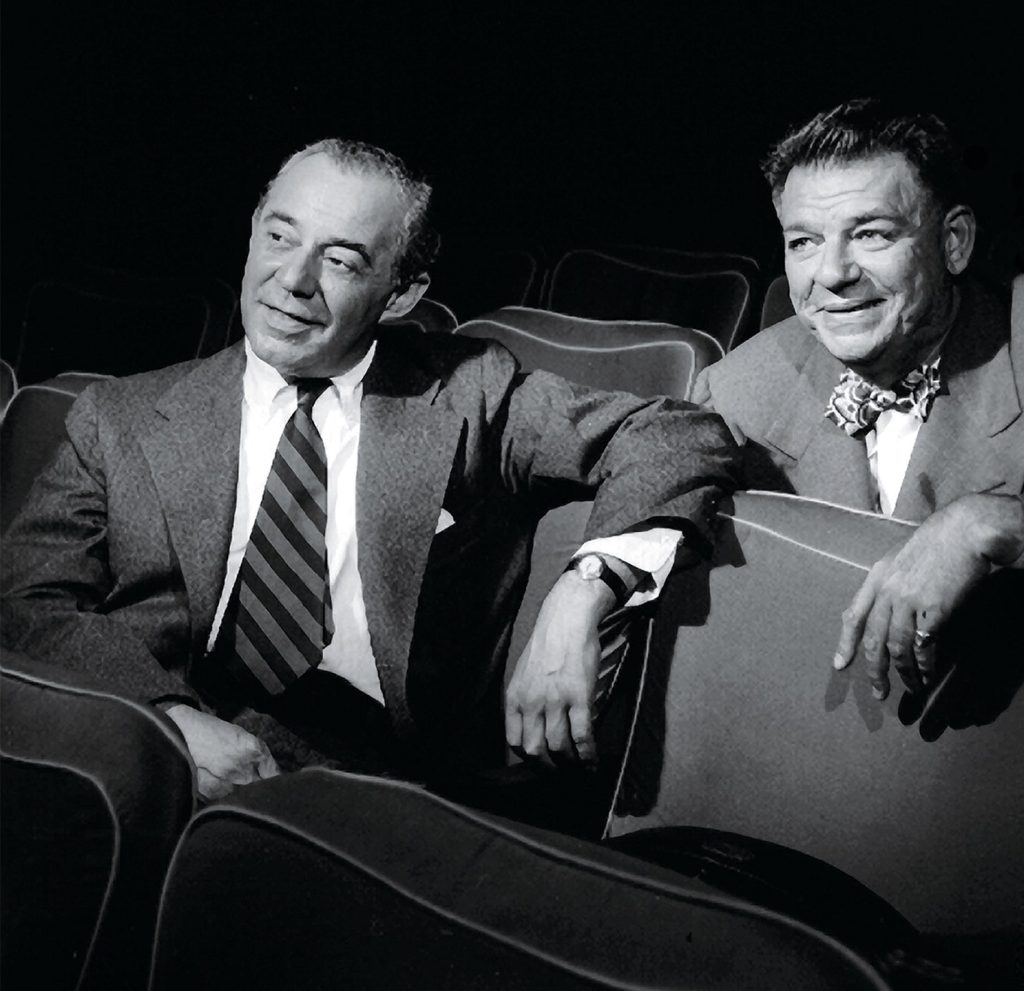
The music and lyrics for South Pacific were written by the famous team of Rodgers and Hammerstein also responsible for musicals Oklahoma! and Carousel. When the song, You’ve Got to Be Carefully Taught was written for South Pacific, the pair were dealing with the racial tensions sweeping the nation. So much so, that there was an attempt to cut their song, Carefully Taught from the show because of its controversial lyrics.
While the show was touring in the Southern United States, lawmakers from Georgia actually introduced a bill outlawing entertainment containing “an underlying philosophy inspired by Moscow.” One legislator went so far as to say that a song justifying interracial marriage was a threat to the American way of life. Thankfully, Rodgers and Hammerstein defended their work and the number was kept in the show.
It’s hard to believe this beautifully poignant written song was a threat to our society during the 1950s. We’ve come a long way since then but still have a lot of work to do when it comes to racism. Because as the lyrics so appropriately point out:
You’ve got to be taught
To be afraid of people
Whose eyes are oddly made
And people whose skin is a different shade
You’ve got to be carefully taught
You’ve got to be taught
Before it’s too late
Before you are six
Or seven
Or eight
To hate all the people
Your relatives hate
You’ve got to be carefully taught
Shine On
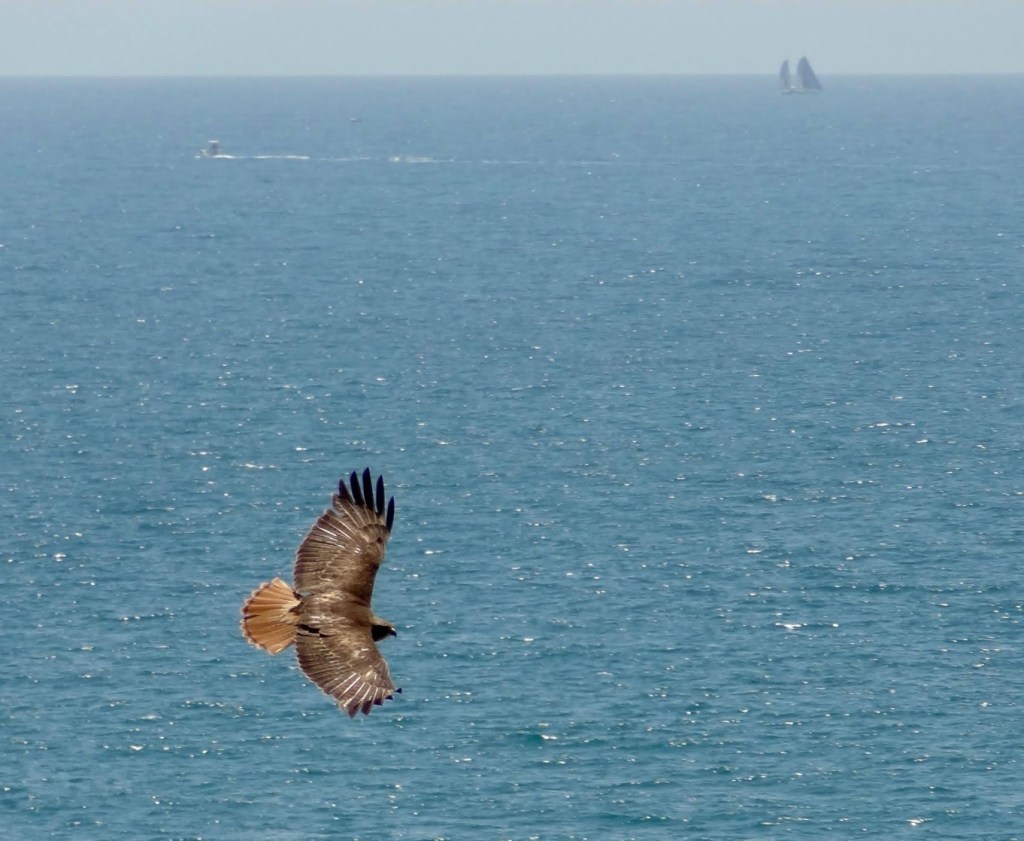
“If you want to soar like an eagle in life,
you can’t be flocking with the turkeys.”
Warren Buffett
Shine On
“A bird’s experience is far richer,
complex, and thoughtful than I’d imagined.”
David Allen Sibley
In a previous blog post I wrote about The Bird Man of America, John James Audubon. However, it appears there’s a new bird man of America artist that has been painting and studying birds for over 50 years. He has been called the most important illustrator of birds since Audubon.
David Allen Sibley, ornithologist, self-taught artist and author was born and raised in Plattsburgh, New York. His love of birds began at the age of eight years old while hiking with his father, Fred Sibley, famous ornithologist at Yale University.
Often after hiking with his dad, David would sketch all the different birds he had encountered from memory. His bird-watching hobby became a life-long passion. Much so, that he dropped out of college at Cornell University to pursue the study of birds.
Through the past five decades, Sibley has drawn and painted thousands of species of birds. His love of birds and painting them has never wavered. It was his goal to one day publish a field guide book for other bird watchers. With encouragement from his wife, also an ornithologist, he spent 14 years traveling, researching and painting birds for the book.
His hard work paid off and his goal was achieved in 2000, when his first book, The Sibley Field Guide to Birds was published. Shortly after publication, his first volume was on the New York best seller list and David followed up that book with numerous other popular guide books.
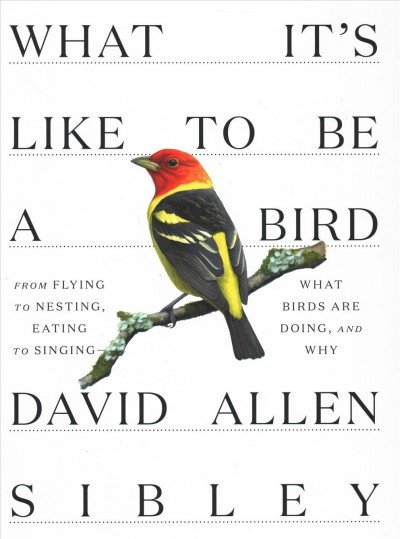
Even after half a century of bird-watching, David Sibley continues to study and learn new things about his favorite topic. When he did research for his recent book, What’s It’s Like to Be a Bird, he became convinced of something he had not previously anticipated: “Birds routinely make complex decisions and experience emotions”. In this book, he also covers such topics as; Do birds have a good sense of smell? Where do birds go at night? Where do they sleep?
With over 8.7 million species of birds throughout the entire world, I’m pretty sure his latest bird book won’t be the last for this bird man of our century.
Shine On

