Uke Music Moments

“Every song is like a painting.”
Dick Dale
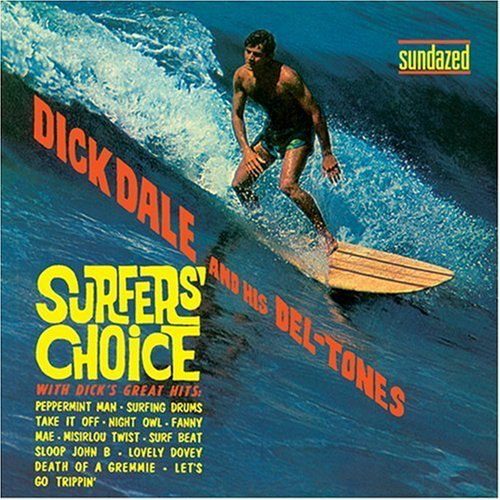
I’ve been listening to a lot of my favorite ukulele music. One of the song’s I’m really enjoying is Misirlou. This song gained popularity in 1962 when Dick Dale performed it as an American surf rock version.

The version I like is performed by The Ukulele Orchestra of Great Britain. I’m sure all of you are familiar with this song performed by The Beach Boys and Dick Dale and his Del-Tones version in the movie, Pulp Fiction. But you may not of heard it played by a ukulele orchestra.

Hope you enjoy this uke music moment.

Shine On

Carefully Taught


“You’ve got to be taught, to hate and fear
You’ve got to be taught from year to year
It’s got to be drummed in your dear little ear
You’ve got to be carefully taught”
Oscar Hammerstein II & Richard Rodgers


It was a beautiful sunny day in Southern California, so I decided to take a leisurely drive north up Pacific Coast Highway. With the top down in my car and the wind in my hair, I was happily listening to my new James Taylor music from his, American Standard album.

I’ve been listening to Taylor’s music for the past five decades and I was excited to hear that this man’s voice has not changed. All the songs on the currently released album are classics that I was familiar with. There’s one song he sings from the musical South Pacific, You’ve Got to be Carefully Taught which I can remember as a child but the words never really sunk in until now.

For those not familiar with the 1949 Broadway musical, South Pacific, it’s a story adapted from the 1947 Pulitzer Prize-winning novel by James A. Michener titled, Tales of the South Pacific. The novel is a collection of Michener stories he wrote about the Pacific campaign in World War II. The stories focus on the interactions between Americans and native islanders and deal heavily with the issue of racism.
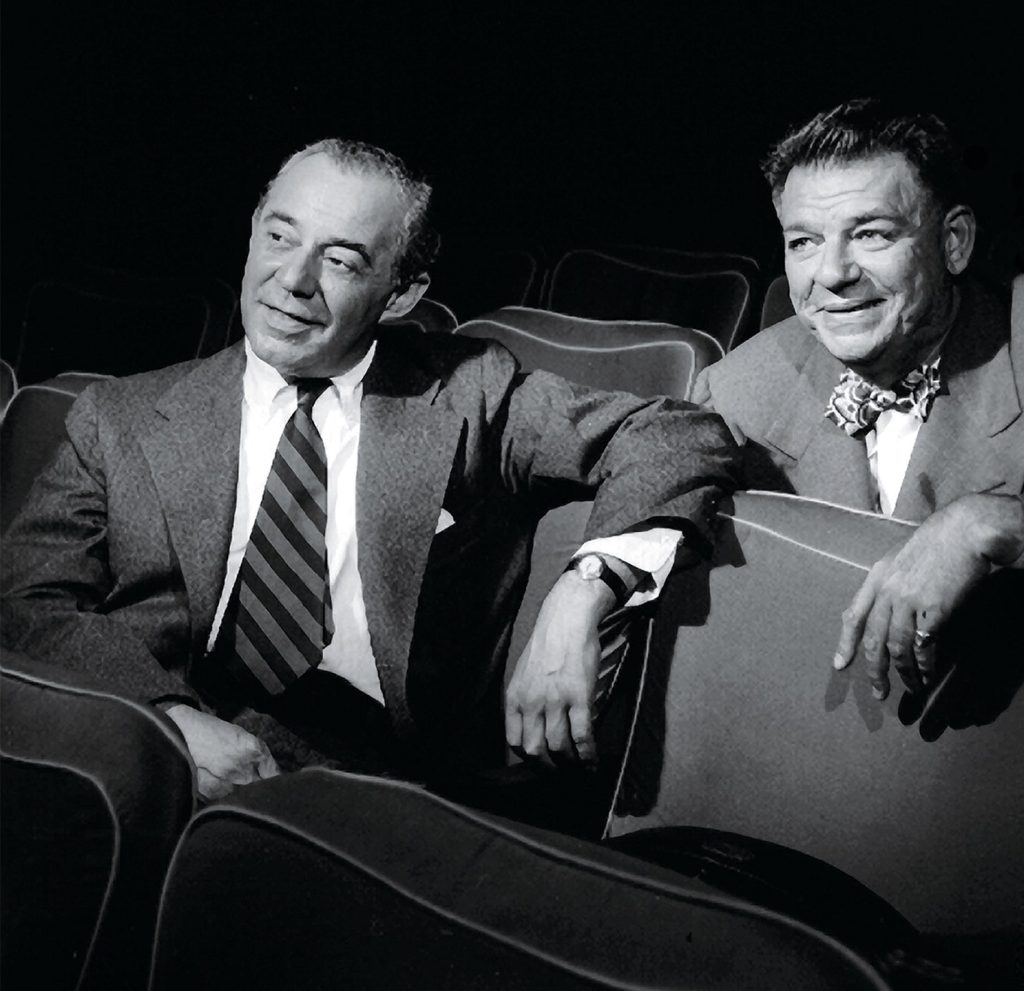
The music and lyrics for South Pacific were written by the famous team of Rodgers and Hammerstein also responsible for musicals Oklahoma! and Carousel. When the song, You’ve Got to Be Carefully Taught was written for South Pacific, the pair were dealing with the racial tensions sweeping the nation. So much so, that there was an attempt to cut their song, Carefully Taught from the show because of its controversial lyrics.

While the show was touring in the Southern United States, lawmakers from Georgia actually introduced a bill outlawing entertainment containing “an underlying philosophy inspired by Moscow.” One legislator went so far as to say that a song justifying interracial marriage was a threat to the American way of life. Thankfully, Rodgers and Hammerstein defended their work and the number was kept in the show.

It’s hard to believe this beautifully poignant written song was a threat to our society during the 1950s. We’ve come a long way since then but still have a lot of work to do when it comes to racism. Because as the lyrics so appropriately point out:

You’ve got to be taught
To be afraid of people
Whose eyes are oddly made
And people whose skin is a different shade
You’ve got to be carefully taught

You’ve got to be taught
Before it’s too late
Before you are six
Or seven
Or eight
To hate all the people
Your relatives hate
You’ve got to be carefully taught

Shine On

In Jeopardy of Cancellation


“Everything that happened to me
happened by mistake.
I don’t believe in fate.
It’s luck, timing and accident.”
Merv Griffin


In Jeopardy of Cancellation

Art Fleming host of Jeopardy! circa 1964


For the past week, the game show Jeopardy! has been airing old historic episodes. As I watch these episodes, I came to realize I’ve been watching one of the oldest game shows on television. Since it first aired March 20, 1964, this show was so popular in my home, my parents bought us the first Jeopardy! board game which quickly became a family favorite.

Over five decades, Jeopardy! remains popular even as game shows come in and out of fashion. This show is largely responsible for re-energizing the quiz show format following a series of quiz show scandals in the 1950s. The rife scandals broke viewing audience’s trust and so began federal law that prohibited the fixing of game shows and their genre across the networks began to disappear.

In the early 1960s, Merv Griffin, a young genius in designing game shows for NBC, was not happy about all the negativity happening to his livelihood. As a television host, producer, and game show developer for NBC, he began to craft a game show that would change the format forever.

On a flight from Duluth to New York City, Griffin and his wife Julann were discussing game show ideas, when she noted that there had not been a successful “question and answer” game on the air since the quiz show scandals. Griffin recalls his wife asking, “Why not do a switch, and give the answers to the contestant and let them come up with the question?” She then fired a couple of answers to her husband and that’s where the show was born. After landing in NYC, he went straight to executives at NBC with the idea.

The shows name, What’s The Question? which Griffin first pitched to NBC executive Ed Vane was very skeptical about the show. Vane claimed the game format didn’t have enough, “jeopardies”. Griffin went back to the drawing board and came up with a new format as well as the fitting new name, Jeopardy!. NBC bought and green lit Griffin’s show without even looking at a pilot show.

Merv was searching for his game host star, when Art Fleming caught his attention after seeing Fleming in a few tv commercials and shows. Although Art was a game show novice, Merv selected him to host. The show needed background music, so the multitalented Griffin composed the current and rather suspenseful tune.

Within weeks of Jeopardy! first airing, it grabbed 40% of viewers in its daytime slot. People were playing along on college campuses and during lunch breaks. Despite its success, NBC felt fewer demanding clues would reap greater rewards. They wanted 13-year-olds to be able to keep up. Griffin refused. He wanted the program to stay smart. This was a competition between adults, and he saw little sense in diluting a game meant to highlight intellect.

Despite solid ratings, in 1975 NBC abruptly pulled the plug on the show. Executives at the network wanted to appeal to a younger, female demographic. The show was reinstated in 1978, then just six months later the show was canceled once again.

Merv Griffin never gave up on his show and in 1983 he met with executives at King World Productions about doing a syndicated version. Luckily, King World executives agreed, and they had reason for their optimism. The board game Trivial Pursuit, which had debuted in 1981, had grown into a sensation, proving consumers had a healthy appetite for trivia.

Trebek 1984

Alex Trebek circa 1984

Griffin updated his show in the 1980s with a high-tech game board made up of video monitors instead of paper cards and rerecorded his theme music with synthesizers. But,  the biggest update was in 1984 when Art Fleming was replaced with the younger, more polished Alex Trebek and the show started airing in the early evening. Ratings immediately improved in this new time slot.

In 2004 the show removed its five-game limit for returning champions. With that rule removed, contestant Ken Jennings was able to win an unprecedented 74-show winning streak making headlines across the country. The $2,520,700 he won from 2004 to 2005 during this winning streak, still holds the record for the most money an individual has ever won on an American game show making Jennings a minor celebrity.

Trebek continues to host Jeopardy!, despite his recent diagnosis of stage 4 pancreatic cancer. However, during the coronavirus quarantine the show has not been taping any new shows since March, the longest hiatus in the history of the show.

There’s no denying this game show is a staple in America. It’s won 16 daytime Emmy awards for Outstanding Game Show, the most ever by one program. It will be a sad day when Trebek retires from his hosting job, but it will be a sadder day if the show ever becomes in jeopardy of cancellation.

Shine On

The Wizard of Botany

“It is well for people who think,
to change their minds occasionally
in order to keep them clean.”
Luther Burbank

The Wizard of Botany

Luther Burbank and his dog Bonita circa 1925


I bet when you hear the word French fry, you associate it with the French or the Belgium who actually invented this recipe. But there’s one man you would never in a million years have guessed was responsible for the modern French fry. That man was Luther Burbank, a famous American botanist, horticulturist and pioneer in agricultural science. He created a disease resistant potato named the Russet Burbank potato which is the main source of McDonald’s French fries and most all French fry fast food.

Burbank made it his life‘s work to create new varieties of plants, ranging from flowers, fruits and even cacti. He is credited with creating over 800 new varieties of plants and received 16 plant patents.

He was one of the first botanist to cross pollinate fruits and flowers spending decades perfecting this cross pollination. For example, he cross pollinated plums and apricots to get the plumcot as well as cross pollinated four different types of daisies and spent 17 years to create the Shasta Daisy.

Shasta Daisy

Shasta Daisy

Not only a talented botanist admired for his work but also admired for his generosity and kind spirit. He was very interested in education and gave money to local schools. One US Senator stated, “he is doing more to instruct, interest, and make popular the work in the garden than any man of his generation.”

At seventy-seven years old, Burbank said: “I love humanity, which has been a constant delight to me during all my life; I love flowers, trees, animals, and all the works of Nature as they pass before us in time and space. What a joy life is when you have made a close working partnership with Nature, helping her to produce for the benefit of mankind new forms, colors, and perfumes in flowers which were never known before; fruits in form, size, and flavor never before seen on this globe; and grains of enormously increased productiveness, whose fat kernels are filled with more and better nourishment, a veritable storehouse of perfect food—new food for all the world’s untold millions for all time to come.”

Today, most people when they hear the name Luther Burbank might associate the name with the town of Burbank, California. However, that city was named after David Burbank, a New Hampshire born dentist and entrepreneur who established a sheep ranch there in 1867.

Burbank became world famous in the early 1970s, by Johnny Carson’s Tonight Show daily monologue jokes poking fun of the town where the tonight show was filmed, “Beautiful Downtown Burbank.”

Every single day we encounter something that Luther Burbank created because he was truly the wizard of botany.

Shine On