Good Writings to Read


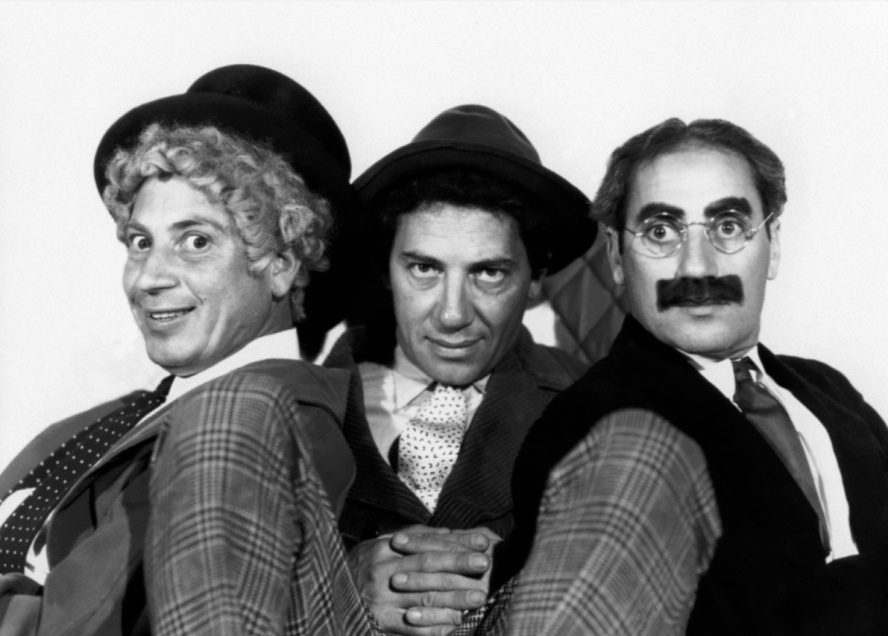
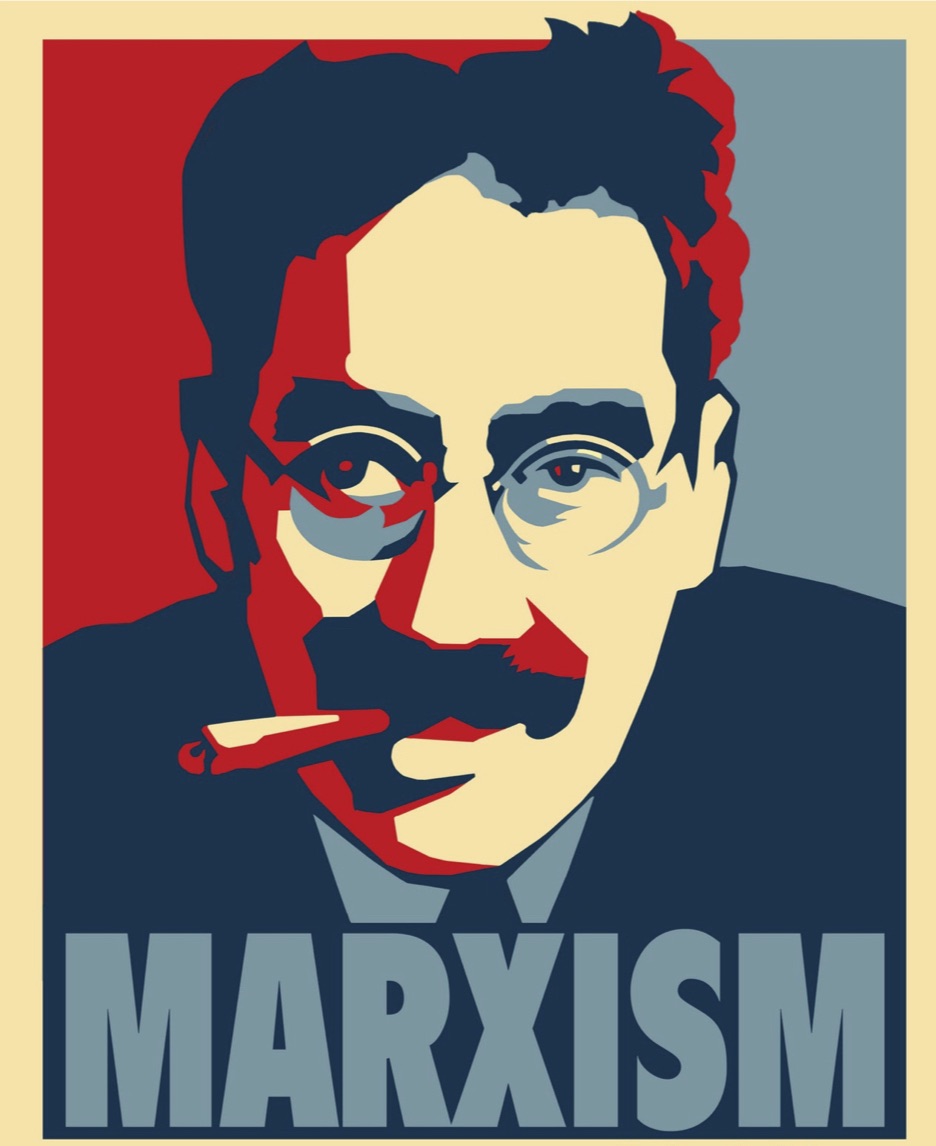
“I find television very educating.
Every time somebody turns on the set,
I go into the other room and read a book.”
 Groucho Marx


This year I decided that I spend too much time in front of the television, so I finally cut the cord. Not that I don’t enjoy watching all my favorite shows, but most of these shows I can watch on other noncable outlets. For example, my library has watching apps such as Hoopla, Kanopy and Pluto TV, all free if you have a library card.

Last year I promised myself that I would read a book a week. I came very close to that goal and missed it by only three books. Actually, I would have exceeded my goal if I had not watched so much television.

Most of the books I read last year were from my public library. This library is a beautiful old Spanish style building from the 1920s, situated on exquisite grounds with peacocks wandering throughout the property. I love visiting this library because of its picturesque setting and because it is rarely busy. I’m always able to get whatever books I want to read without having to wait weeks or days, even during a pandemic.

My favorite way to read is using my iPad for its ease of reading. If I want to read a magazine, my library has them for free using the app, Flipster. However, most of the books I read are downloaded to my iPad from the library using the app, OverDrive.

Whichever means of reading magazines and books I choose this coming year, I will have my plate full of good writings to read.

Shine On

Right and Wrong


“All mine!” Yertle cried.
“Oh, the things I now rule!
I’m the king of a cow!
And I’m the king of a mule!
I’m the king of a house!
And, what’s more, beyond that.
I’m the king of a blueberry bush and a cat!
I’m Yertle the Turtle!
Oh, marvelous me!
For I am the ruler of all that I see!”
Yertle the Turtle


If you follow my blog, you know I’m a fan of Dr. Seuss. His stories are not only entertaining but also teach morality.

Recently I read a thesis on Dr. Seuss written by a young woman. She wrote about how Dr. Seuss stories always have a political theme and because of this, his stories are not suitable to read to young children. She believes that young children are not smart enough to understand these political themes.

This young college student obviously does not have children. Unfortunately, because I don’t know how to contact this woman, I am unable to tell her how wrong she is.

When my son was very young I would read to him Yertle the Turtle, his favorite bedtime story. Before he could walk, he would crawl over to his bookcase in his room and drag this large green book to me. With little talking he could do, he would ask me to read this story. Up until he was two or three years of age, I must have read this book to my son well over 100s of times.

Yertle the Turtle made such an impact on my son, that I believe his values, his political beliefs and his compassion for the difference between right and wrong are due to this simple story, Yertle the Turtle.

If you are a young parent, and you wish to teach your child about standing up for their self, about compassion for every living thing, bullying, and yes a little about politics and power, then you should be reading this book to your child.

Yertle the Turtle and all of Dr. Seuss books are not just entertaining to read out loud, but they are a great way to teach our children the difference between right and wrong.

Shine On

Some Things Never Change

 
“From my tribe I take nothing,
I am the maker of my own fortune.
A single twig breaks,
but the bundle of twigs is strong.
Show respect to all people,
but grovel to none.”
Tecumseh


With Thanksgiving behind us, I realized I had not heard one newscaster or for that matter, one government official mention Native Americans. This nation began with the genocide of the Native Indians. I often wonder what North America would look like without its 1492 landing and the fore fathers that confiscated it unlawfully.

I’ve been reading and listening to the news about the Coronavirus impact on Native Americans. There’s one article in particular written by Lizzie Wade in Science Magazine that was eye opening about the COVID-19 data on Native Americans which is a national disgrace. I hope you’ll take the time to read the article.

This country hasn’t respected Indigenous people since the day we set foot on their land. It angers and saddens me that some things never change.

Shine On

Female Nobel Laureates

“Be less curious about people and
more curious about ideas.”
Marie Curie

Yesterday it was announced that Andrea Ghez, UCLA’s Lauren B. Leichtman and Arthur E. Levine Professor of Astrophysics, along with Roger Penrose, and Reinhard Genzel was awarded the 2020 Nobel Prize in physics.

Ghez is the 53rd women to have been awarded a Nobel Prize out of more than 900 recipients. She is also only the fourth woman to receive the physics prize, following Marie Curie in 1903, Maria Goeppert Mayer in 1963 and Donna Strickland in 2018.

Often when we think of female Nobel Prize winners, Mother Teresa, Marie Curie and Malala Yousafzai probably come to mind. But, women who received Nobel Prizes were involved in all sorts of projects, from physics experiments to masterful novels, and they changed how we think about art, animals and the human body.

For example, American public philosopher Jane Addams set out to better the lives of working-class people, immigrants, women and children in a very direct way, and her success was kind of astonishing. She found an old mansion in Chicago, cleaned it up and turned it into a community center. Not your ordinary community center, though: Hull House, as she called it, provided social services, but it also fostered rich debate and research into designing a better society. The environment was meant to encourage democratic cooperation and collective action, rather than individualism. Her work won her the Nobel Peace Prize in 1931.

Throughout history, the scientific and artistic achievements of men have always been renowned and honored by the experts and the public alike. More often than not, women who work as doctors, engineers, writers, and scientists find themselves fighting a seemingly endless battle to gain recognition within their male-dominated industries, sometimes even losing credit for their work in the process. Many of these women had to contend with extreme sexism in male-dominated professions. Some female Nobel Prize winners even had to overcome physical violence. All their stories are unique and equally inspiring.

As of 2020, Marie Curie is the only woman who has been awarded a Nobel Prize twice, one in 1903 and the other in 1911. Whether we realize it or not, these women greatly impacted the World and hopefully more women throughout the World will continue to become female Nobel Laureates.

Shine On

H is For Hawk


“We carry the lives we’ve imagined
as we carry the lives we have,
and sometimes a
reckoning comes of
all the lives we have lost.”
Helen Macdonald


h-is-for-hawk


Recently I read Helen Macdonald’s book, H is For Hawk.

The book is about the author’s inconsolable grief after the death of her father.

In an effort to heal her soul and regain a connection with her father, she sets out to find and train a hawk. Not just any hawk, a Goshawk.

That is just one of the beauties of her story. She writes about nature and the healing process of her grief through nature and bonding with her Goshawk.

If you are intrigued by birds of prey, as I am, you will enjoy this book immensely. Not only for its behind scenes life of a falconer, but the history of the hobby. Helen Macdonald writes beautiful prose about her life and struggles with depression and how her Goshawk helps her through a difficult time in her life. This book definitely deserves all the attention it has received and I give high marks to H is For Hawk.

Shine On