Sweet Smelling Memories


“The sense of smell can be extraordinarily evocative,
bringing back pictures as sharp as photographs
of scenes that had left the conscious mind.”
Thalassa Cruso

It’s amazing to me how our sense of smell can trigger a memory, even as far back as our childhood.

The part of the brain responsible for our sense of smell is the limbic system and is related to feelings and memory.

Smells we experience can bring up memories about people, places, or events related to these sensations.

The last few days my sense of smell has been in overdrive. The savory smell of a chicken roasting in my neighbor’s kitchen. Then, the smell of sautéing onions with garlic creep through my window. The evening smell of the ocean breeze as it blows in the scent of night-blooming jasmine.

There’s an area in the wetlands of Marina del Rey that is covered with wild oat grass. I’ve often driven by this area at dusk, and every time, I can smell and breath in this intoxicating smell of the wild oat grass. I wish someone could bottle this smell and sell it. They’d be rich.

This favorite scent of dewy wild oat grass brings me back to a quieter much gentler time. It takes me right back to my evening horseback rides of my youth on the Southern California wide-open trails. Such sweet smelling memories.

 Shine On

Right and Wrong


“All mine!” Yertle cried.
“Oh, the things I now rule!
I’m the king of a cow!
And I’m the king of a mule!
I’m the king of a house!
And, what’s more, beyond that.
I’m the king of a blueberry bush and a cat!
I’m Yertle the Turtle!
Oh, marvelous me!
For I am the ruler of all that I see!”
Yertle the Turtle


If you follow my blog, you know I’m a fan of Dr. Seuss. His stories are not only entertaining but also teach morality.

Recently I read a thesis on Dr. Seuss written by a young woman. She wrote about how Dr. Seuss stories always have a political theme and because of this, his stories are not suitable to read to young children. She believes that young children are not smart enough to understand these political themes.

This young college student obviously does not have children. Unfortunately, because I don’t know how to contact this woman, I am unable to tell her how wrong she is.

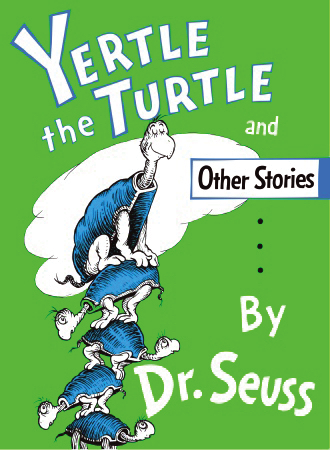
When my son was very young I would read to him Yertle the Turtle, his favorite bedtime story. Before he could walk, he would crawl over to his bookcase in his room and drag this large green book to me. With little talking he could do, he would ask me to read this story. Up until he was two or three years of age, I must have read this book to my son well over 100s of times.

Yertle the Turtle made such an impact on my son, that I believe his values, his political beliefs and his compassion for the difference between right and wrong are due to this simple story, Yertle the Turtle.

If you are a young parent, and you wish to teach your child about standing up for their self, about compassion for every living thing, bullying, and yes a little about politics and power, then you should be reading this book to your child.

Yertle the Turtle and all of Dr. Seuss books are not just entertaining to read out loud, but they are a great way to teach our children the difference between right and wrong.

Shine On

Under the Sea

“Water and air, the two essential fluids
on which all life depends,
have become global garbage cans.”
Jacques Yves Cousteau

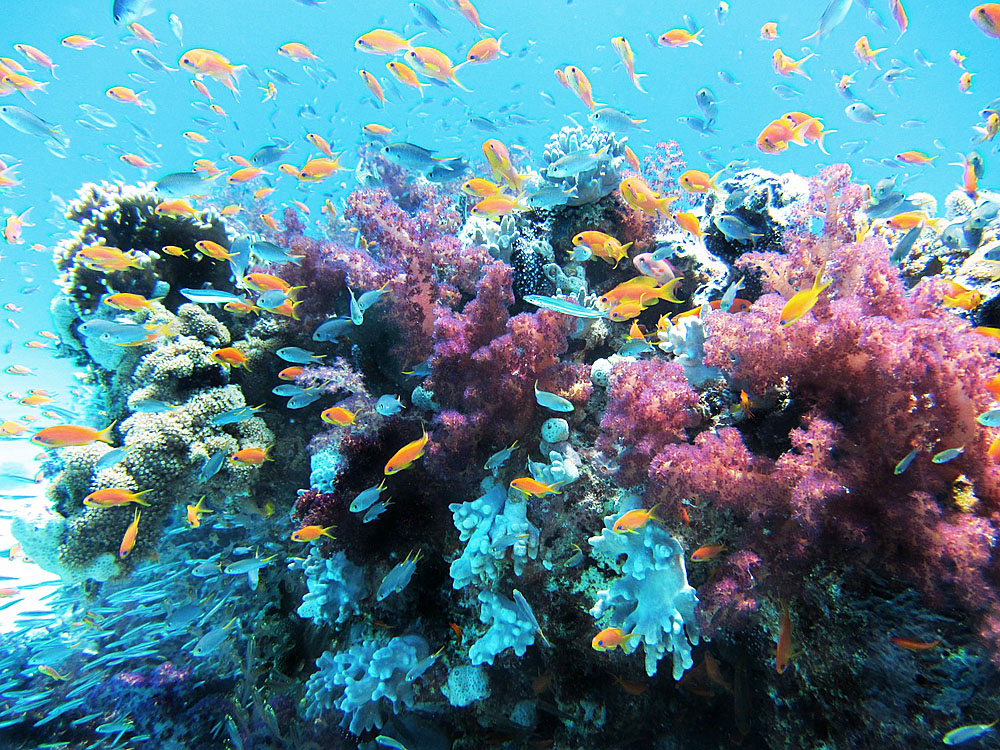
Researchers are creating images of coral reefs along the lush and steep windward coast of the Hawaii island of Oahu.

Why? Because the coral reefs are in danger of dying due to the ever-increasing temperatures of the ocean waters.

These high-definition 360-degree panoramic images of the reefs are being used to monitor and study the health of corals over time. Scientists are concerned about how much coral off the coast of Hawaii already is beginning to bleach, especially because it’s the second such event in two years.

Coral bleaching occurs when ocean water temperatures rise and cause the coral to lose key nutrients, turning the normally colorful organism white. If bleaching recurs or is severe, the coral will eventually die.

The researchers use GPS tags and facial recognition technology to help identify and organize individual reef systems. As part of the project, the survey team has partnered with Google and uploads the images to Google Street View, allowing people to explore the underwater ecosystem via the Internet.

The Hawaii reef mapping is part of a larger project by the XL Catlin Seaview Survey research team to make thousands of images of reef around the world. These researchers are trying to understand why certain species of coral are more susceptible to bleaching than others, and they hope to find organisms that can adapt to warmer waters and remain healthy.

If you want to learn more about what’s happening to our oceans, check out Global Reef Record and explore a whole new world, under the sea.

Shine On

Awesome

“He who can no longer pause
to wonder and stand rapt in awe,
is as good as dead; his eyes are closed.”
Albert Einstein

For the past two decades, scientists have been studying the emotion called, awe. Growing research suggests that experiencing awe may lead to a wide range of long-term benefits, from happiness and health to perhaps more unexpected benefits such as generosity, humility, and critical thinking.

The research also suggests that taking the time to experience awe, whether through appreciating nature, enjoying art or music, or even watching YouTube videos, could be a way to improving your life and relationships.

Did you know that experiencing awe can improve your mood and make you more satisfied with your life? You don’t even need to take a trip to Tahiti to get the job done. You can experience awe by watching slideshows or videos of Tahiti to induce awe. It’s also possible that awe can even bring people together. Research tells us that awe helps us feel more connected to the people in our lives and to humanity as a whole.

What I found interesting about these recent studies is that people who experience awe more often, had a better understanding of nature and science and were more likely to reject creationism and other scientifically questionable explanations about the world. Importantly, these people didn’t have greater “faith” in science; they just understood better how science works.

In 2020, seeking awe should be a high priority. The power of awe may be a simple remedy to improve our outlook and have transformative effects. With increasing interest among psychologists and the public in the study of awe, the future looks bright. Maybe even awesome.

 Shine On