E. B. White


“I arise in the morning torn between
a desire to improve the world and
a desire to enjoy the world.”
E. B. White


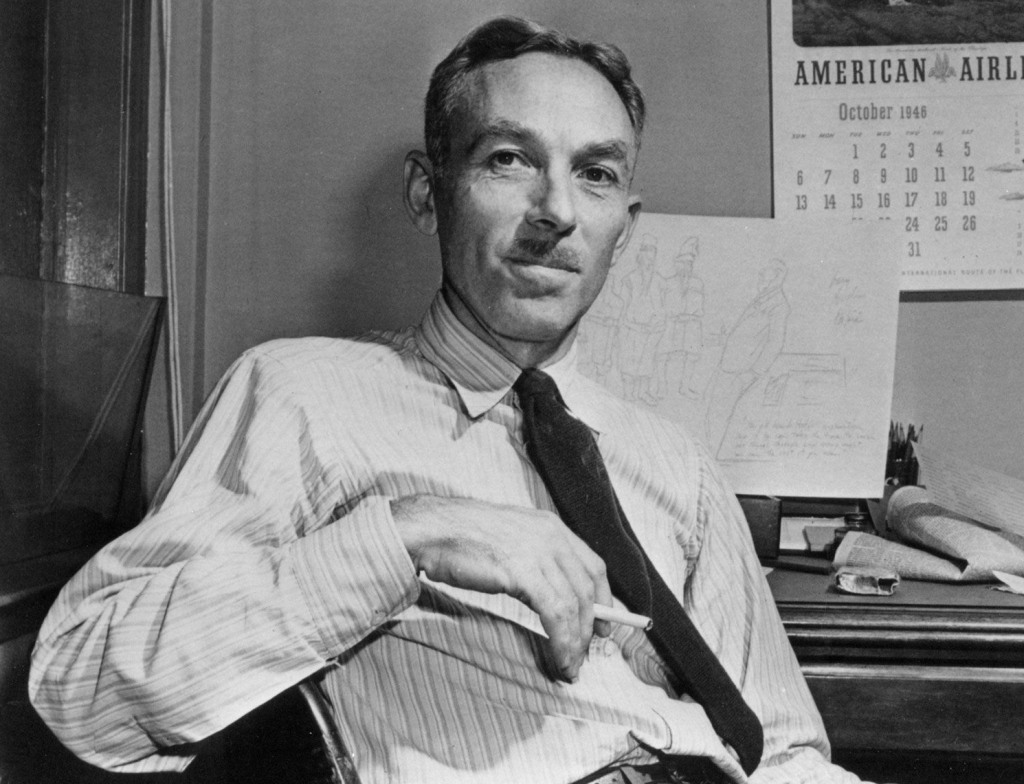
E.B. White was born on July 11, 1899, in Mount Vernon, New York. He was an American essayist, author, and literary stylist, whose eloquent prose appealed to readers of all ages.

White graduated from Cornell University in Ithaca, New York, in 1921 and worked as a reporter and freelance writer before joining The New Yorker magazine as a writer and contributing editor in 1927.

He married Katherine Sergeant Angell, The New Yorker’s first fiction editor, in 1929, and he remained with the weekly magazine for the rest of his career. White’s essays for The New Yorker  quickly garnered critical praise. Written in a personal, direct style that showcased an affable sense of humor, his witty pieces contained musings about city life, politics, and literature, among other subjects. White also wrote poems, cartoon captions, and brief sketches for the magazine, and his writings helped establish its intellectual and cosmopolitan tone.

While writing for The New Yorker magazine, in 1929 White collaborated with James Thurber on Is Sex Necessary?, a spoof of contemporary sex manuals. He also wrote a monthly column for Harper’s magazine mostly about rural life.

As an undergraduate at Cornell, White had taken a course with Professor William S. Strunk Jr. Strunk used a text he had written and published at his own expense, a thin volume titled The Elements of Style. 

White edited it, revised it, and added the chapter “An Approach to Style,” offering such advice as “Place yourself in the background; do not explain too much; prefer the standard to the offbeat.” The book sold widely and became a college campus fixture for the next twenty years in several editions and continues to be the go to book for writers.

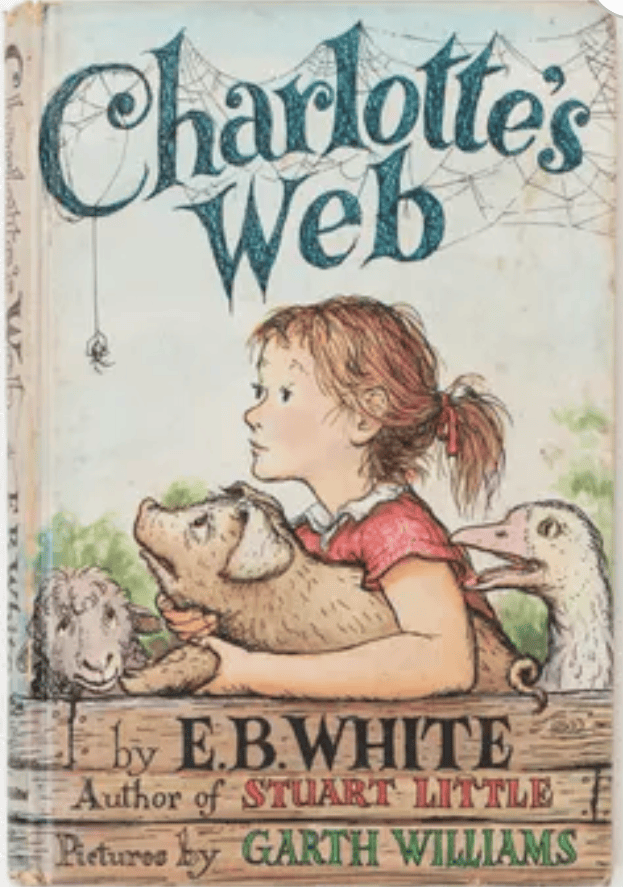
My introduction to E. B. White was his 1952 book, Charlotte’s Web when Mrs. Monroe, my third grade teacher read the book out loud to us in class. I enjoyed this book so much, I remember reading his other two children’s books, Stuart Little, and The Trumpet of the Swan now all considered classics. These three books featured lively animal protagonists who seamlessly interact with the human world.

E. B. White’s influence was great, particularly in his popular essays, which served as models for two generations of readers. In the 1930s, 1940s, and 1950s, the New Yorker was judged by critics to be a model of elegant yet simple style in nonfiction, and White was in no small measure responsible for this reputation.

To this day, I admire White because he combined a clear, beautiful writing style with deep empathy for animals and everyday life. He died at age 86 years old on October 1, 1985 in North Brooklin, Maine but left a World of admiring readers of E. B. White.

Shine One

Dolly Parton, We’ll Always Love You


“Songwriting is my way of channeling
My feelings and my thoughts.
Not just mine, but the things I see
But also the people I care about.
My head would explode if
I didn’t get some of that stuff out.”
Dolly Parton


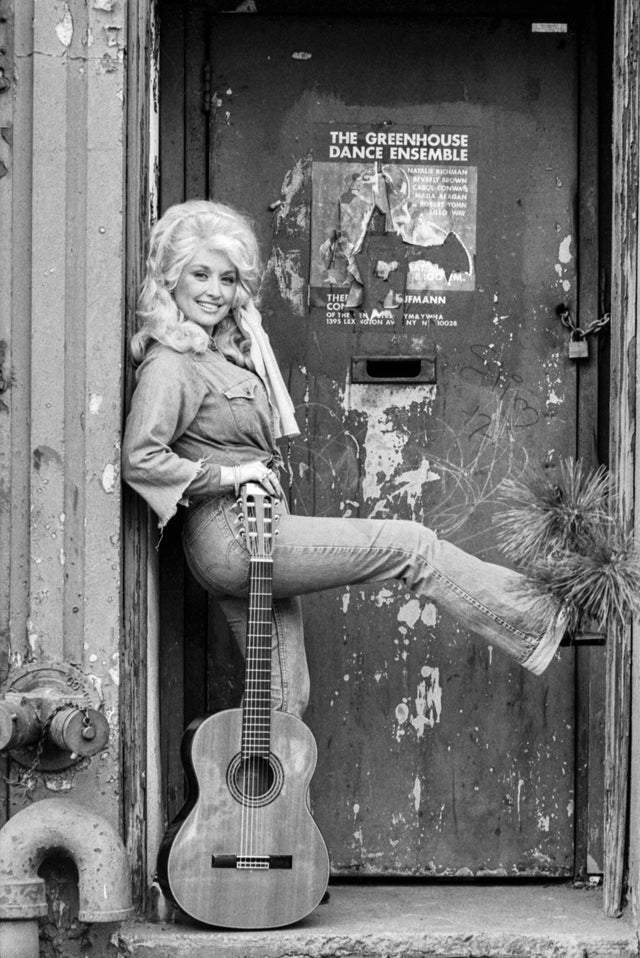
Today is just not as sparkly. It’s a sad day for the entire World. We lost a woman who gave us joy and happiness beyond belief. Dolly Parton died at age 80 and in those 80 years, she gave so much of herself to the World. 

She gave us beautiful music. Music is the only art form that has the capacity to touch everyone and Dolly truly touched everyone with her lyrics and songs. Parton composed over 3,000 songs, including one of my all time favorites, “I Will Always Love You”, a two-time U.S. country chart-topper and an international hit. She made over $10M in royalties from the 1992 Whitney Houston hit. She generously used that money to invest in a Nashville strip mall in a historic Black community, affectionately referring to the property as, “the house that Whitney built”.

She gave us wonderful movies to remember her by. She gave us literature for young readers who didn’t have the means to buy books, donating over 300 million books to children. She contributed millions of dollars to charity including the development of the COVID vaccine during the pandemic. 

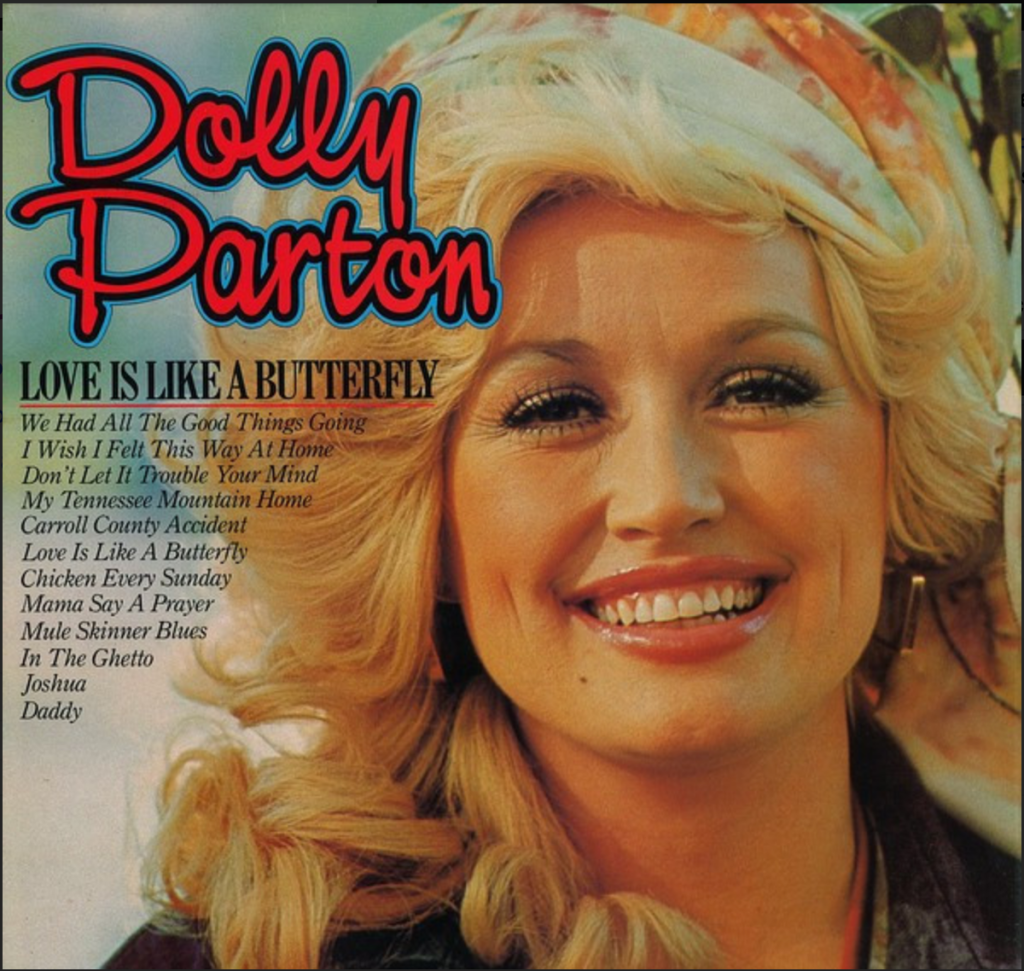
In August 1974, I was just a teenager when I heard on the radio, Dolly Parton’s song, Love Is Like a Butterfly. The song was written and recorded by Dolly and was the first single and title track from her album, “Love Is Like a Butterfly”. It was her fourth number one hit on the country charts as a solo artist.

Her Butterfly song stayed with me all these years because of my love of butterflies. Point of fact, it touched me so much that on March 14, 2026, I created a video for my Instagram account highlighting this song. National Learn About Butterflies Day is celebrated every March 14th encouraging us to look for a blur of color as butterflies begin migrating across the country.

Her music and movies I have loved and enjoyed all my life. My poetry and music I’ve created is highly influenced by her own music and style of singing.

She always wrote from the heart. I admired her most for her strength, honesty, humor, free spirit, humbleness, dedication to her husband for over 60 years, her beauty, and her classiness. Not to mention, she was tenacious when it came to her beliefs and dreams.

Too often we don’t realize what we have until it’s gone. Today around the world, millions of people will no doubt be grieving from the loss of a true iconic treasure, Dolly Parton. We’ll always love you.

Shine On

My Angel Heart

“This is the light of autumn;
it has turned on us.
Surely it is a privilege to
approach the end
still believing in something.”
Louise Gluck


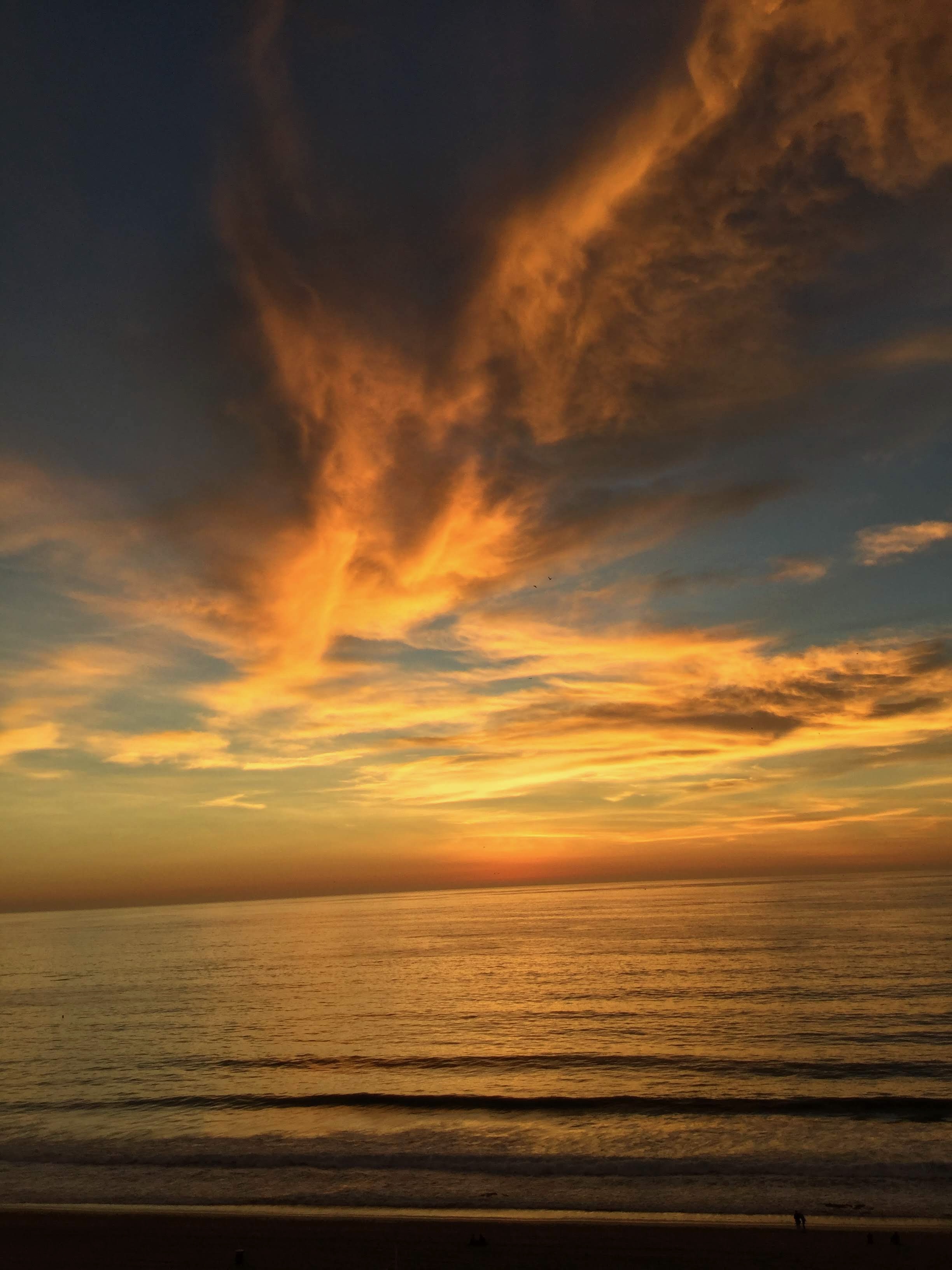
Last  week I was inspired by a fellow blogger, Erika Kind at Share Your Light who posted a beautiful poem she wrote. The photo she used accompanying her poem, Love is Free, looked uncannily familiar.

That being said, my above photo was taken two years ago, a few days before my husband died. Little did I know it would be the last photo I shared with him. 

Often when I take photos, I never see what the images look like until I upload them to my laptop.  So, when I took this image, I didn’t notice how the clouds looked like there was a heart in the center surrounded by what appears to be angel wings. Stunned by the image, I immediately shared it with him and he told me how beautiful it was.

He always enjoyed all my photos and I will be forever appreciative of his love and support of my photography.

Autumn is a season for balancing light and dark. It is the season of letting go, and accepting the impermanence of things.  Autumn is also the right time to practice getting out of the way and letting the soul take charge of our lives. 

As we head into winter, the old year is dying. This is the time we think about death in our own lives. Remember and honor those you love who’ve passed on before you.

Contemplate what needs to “die” within you in order to welcome the new life that will grow into next year.

This blog post and photo is dedicated to him and to all the love, laughter  and lifetime memories we shared. He was my angel heart.

Shine On

Words Cannot Express

“Art is the lie that enables us
to realize the truth.”
Pablo Picasso

Since the death of Sean Connery a few weeks back, I’ve been rewatching all of the James Bond movies in chronological order. I noticed that the majority of the Bond movies were distributed by Metro-Goldwyn-Mayer. I’ve been watching MGM movies my entire life but just now noticed the words, “Ars Gratia Artis” used as a motto by MGM and appears in the circle around the roaring head of Leo the Lion in its logo.

Curious lady that I am, I looked up the meaning of this Latin saying, Ars Gratia Artis which translates to, Art for Art’s Sake.  It is a phrase that dates back to poet Théophile Gautier from the 1800s. The phrase was also used by poet Edgar Allan Poe in his 1850 essay, The Poetic Principle.  These men argued that “. . . art for art’s sake affirmed that art was valuable as art in itself; that artistic pursuits were their own justification; and that art did not need moral justification, and was allowed to be morally neutral or subversive.”

With so many forms of art in our society, I dove even deeper into this subject and discovered writer and philosopher, Alain de Botton who is the founder of  The School of Life, where he examines the many purposes of art.

In Alain’s book, Art as Therapy he points out how art can be a form and a source of therapy and self-help. He explains how art has the ability to resolve our psychological shortcomings and ease our anxieties about our imperfections. Art can be used as a great tool that serves a complex important purpose in our existence. The highest achievement of art might be something that reconciles the two: a channel of empathy into our own psychology that lets us both exorcise and better understand our emotions.

There are many areas in our life that art enriches including how art helps us feel less alone in our suffering. de Botton believes art can also save us time as well as save our lives, through opportune and reminders of balance and goodness that we should never presume we know enough about already. He also says that art is our new religion and our museums are our cathedrals. We all have reasons for our tastes in particular works of art and that can reflect how we are feeling emotionally at particular times in our lives.

Art gives us a language for communicating to others. It can explain why we are so particular about the kinds of art we surround ourselves with publicly.  A sort of self-packaging we all practice as much on the walls of our homes as we do on our social media pages. A cynic might interpret this as mere showing off, but de Botton believes that the art we admire peels away this superficial interpretation to reveal the deeper psychological motive.

The art we admire can show our true desire to communicate to others the subtleties of who we are and what we believe in a way that words cannot express.

Shine On

A Tree

“What does he plant who plants a tree.”
H.C. Bunner

What does he plant who plants a tree?
He plants a friend of sun and sky;
He plants the flag of breezes free;
The shaft of beauty, towering high;
He plants a home to heaven anigh;
For song and mother-croon of bird
In hushed and happy twilight heard—
The treble of heaven’s harmony—
These things he plants who plants a tree.

What does he plant who plants a tree?
He plants cool shade and tender rain,
And seed and bud of days to be,
And years that fade and flush again;
He plants the glory of the plain;
He plants the forest’s heritage;
The harvest of a coming age;
The joy that unborn eyes shall see—
These things he plants who plants a tree.

What does he plant who plants a tree?
He plants, in sap and leaf and wood,
In love of home and loyalty
And far-cast thought of civic good—
His blessings on the neighborhood,
Who in the hollow of His hand
Holds all the growth of all our land—
A nation’s growth from sea to sea
Stirs in his heart who plants a tree.

Shine On