E. B. White


“I arise in the morning torn between
a desire to improve the world and
a desire to enjoy the world.”
E. B. White
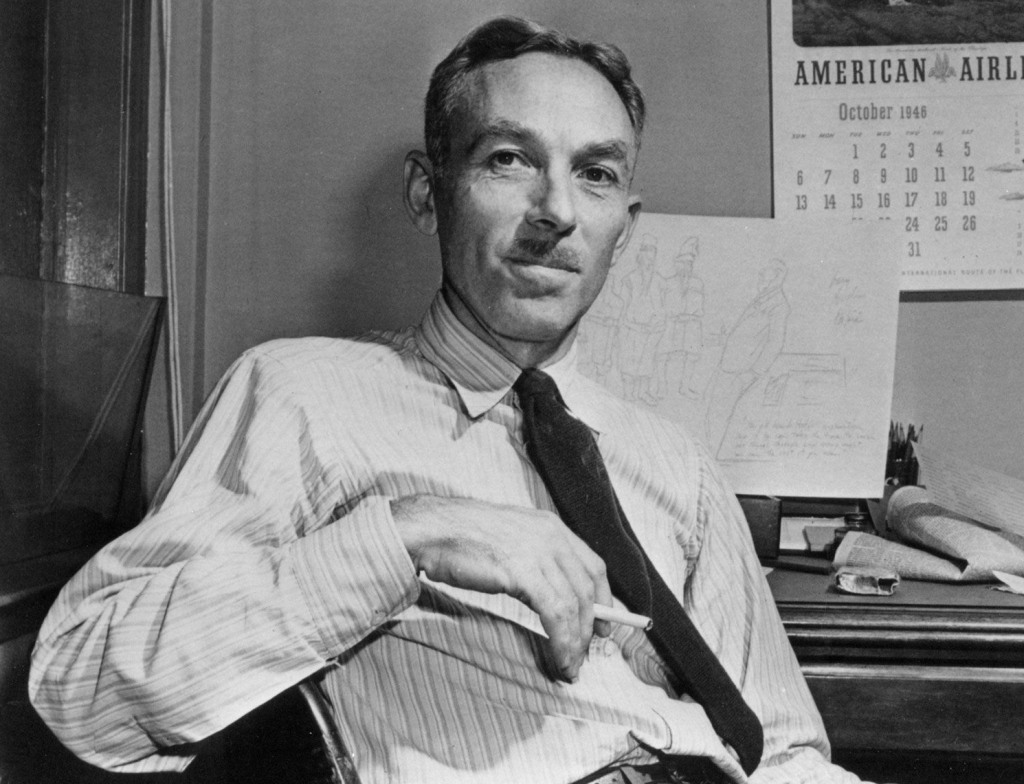

E.B. White was born on July 11, 1899, in Mount Vernon, New York. He was an American essayist, author, and literary stylist, whose eloquent prose appealed to readers of all ages.

White graduated from Cornell University in Ithaca, New York, in 1921 and worked as a reporter and freelance writer before joining The New Yorker magazine as a writer and contributing editor in 1927.

He married Katherine Sergeant Angell, The New Yorker’s first fiction editor, in 1929, and he remained with the weekly magazine for the rest of his career. White’s essays for The New Yorker  quickly garnered critical praise. Written in a personal, direct style that showcased an affable sense of humor, his witty pieces contained musings about city life, politics, and literature, among other subjects. White also wrote poems, cartoon captions, and brief sketches for the magazine, and his writings helped establish its intellectual and cosmopolitan tone.

While writing for The New Yorker magazine, in 1929 White collaborated with James Thurber on Is Sex Necessary?, a spoof of contemporary sex manuals. He also wrote a monthly column for Harper’s magazine mostly about rural life.
As an undergraduate at Cornell, White had taken a course with Professor William S. Strunk Jr. Strunk used a text he had written and published at his own expense, a thin volume titled The Elements of Style. 

White edited it, revised it, and added the chapter “An Approach to Style,” offering such advice as “Place yourself in the background; do not explain too much; prefer the standard to the offbeat.” The book sold widely and became a college campus fixture for the next twenty years in several editions and continues to be the go to book for writers.

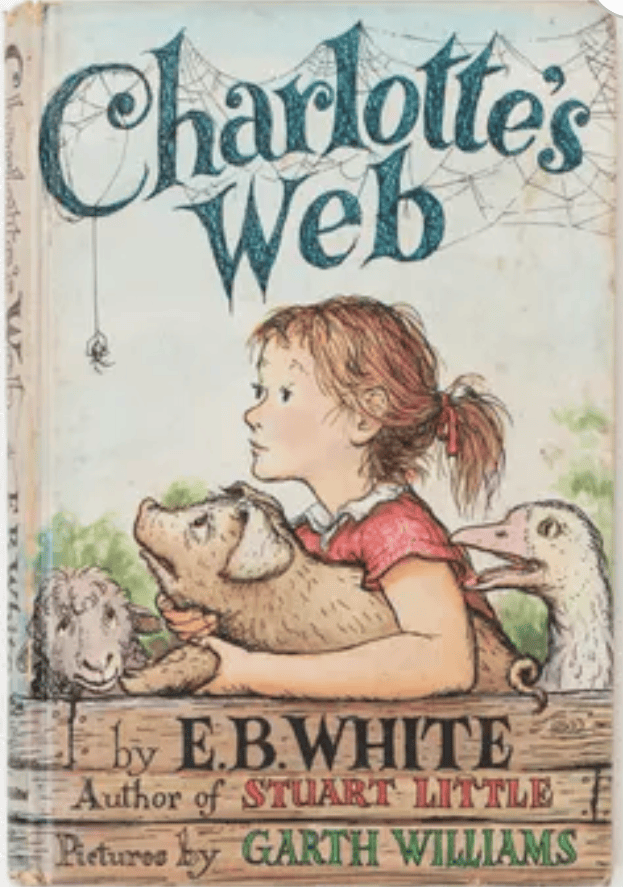
My introduction to E. B. White was his 1952 book, Charlotte’s Web when Mrs. Monroe, my third grade teacher read the book out loud to us in class. I enjoyed this book so much, I remember reading his other two children’s books, Stuart Little, and The Trumpet of the Swan now all considered classics. These three books featured lively animal protagonists who seamlessly interact with the human world.

E. B. White’s influence was great, particularly in his popular essays, which served as models for two generations of readers. In the 1930s, 1940s, and 1950s, the New Yorker was judged by critics to be a model of elegant yet simple style in nonfiction, and White was in no small measure responsible for this reputation.

To this day, I admire White because he combined a clear, beautiful writing style with deep empathy for animals and everyday life. He died at age 86 years old on October 1, 1985 in North Brooklin, Maine but left a World of admiring readers of E. B. White.

Shine On
Redondo Beach Foxes

It only takes one clever fox
to best a thousand men.”
Nina Varela


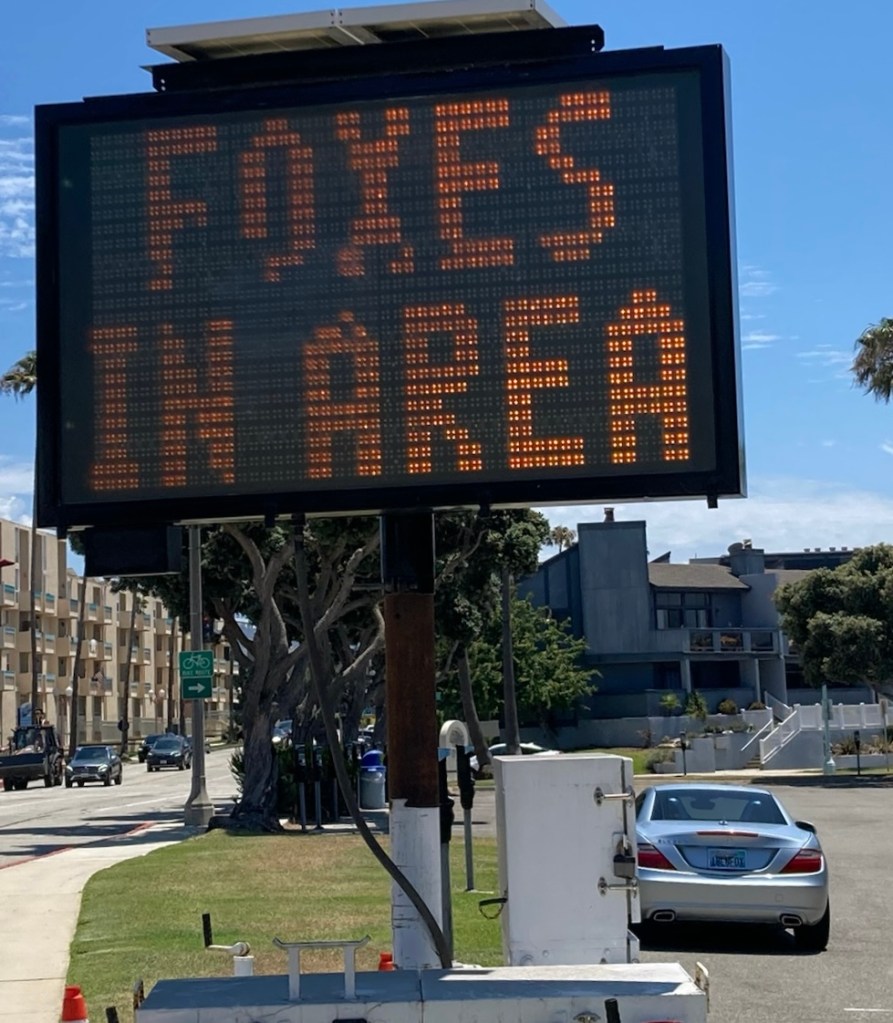
While driving home the other day, I saw this Dynamic Message Sign (DMS), “FOXES IN AREA”. I pulled over to take a photo. That’s my blue car in the bottom right. It’s hard to read my license plate but it reads: IBLUFOX. Yes, I’m a big fan of the fox, so much so I nicknamed my car, “Blue Fox”.

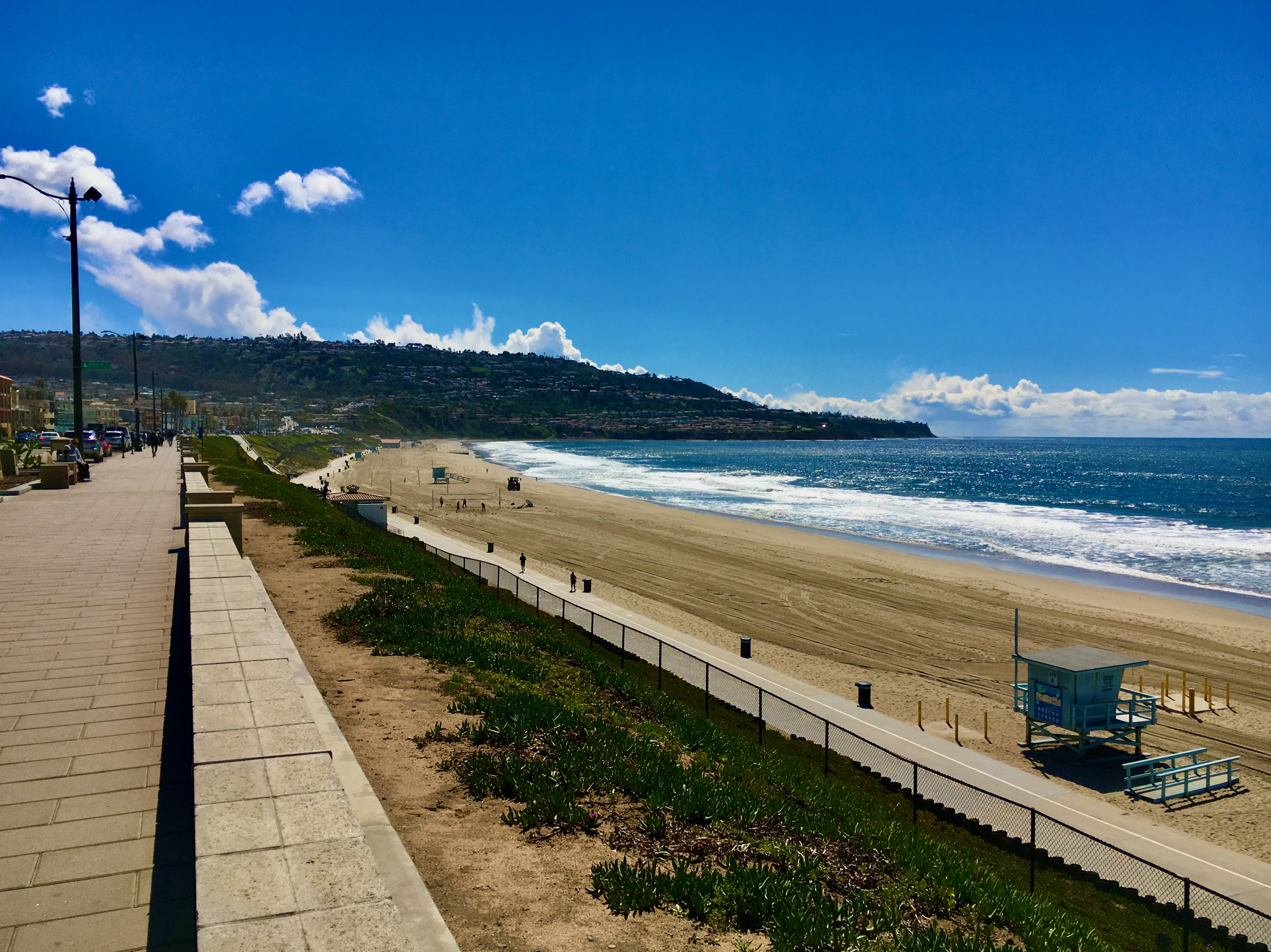
Over ten years ago, I saw a red fox on my daily evening walks. When I got home and told my husband, his response was: “We live at the beach. The only foxes I’ve ever seen are the bikini-clad ones.”

I wish my husband was alive today to witness the City of Redondo Beach announcing foxes in the area.


In California there are two populations of Red Fox – the native Sierra Nevada Red Fox, a threatened species found only in the Sierra Nevada and Cascade mountain ranges, and the more common, non-native Red Fox. Non-native Red Foxes were introduced decades ago for fox hunting and fur farming.

In my neighboring area of Palos Verdes, back in the 1920s they had fox hunting. Obviously, the foxes they released “outfoxed” the riders and headed to Redondo Beach to be closer to the ocean. Their populations have grown and gradually spread.

The fox, the smallest member of the dog family, is a highly adaptable species that inhabits mostly forest, chaparral, and desert regions, but can be found in nearly all habitats. There are three types of fox common to Southern California, including the Gray Fox, Red Fox, and Island Fox. The Southern California Kit Fox, a subspecies of Kit Fox, died out in Southern California in 1903.

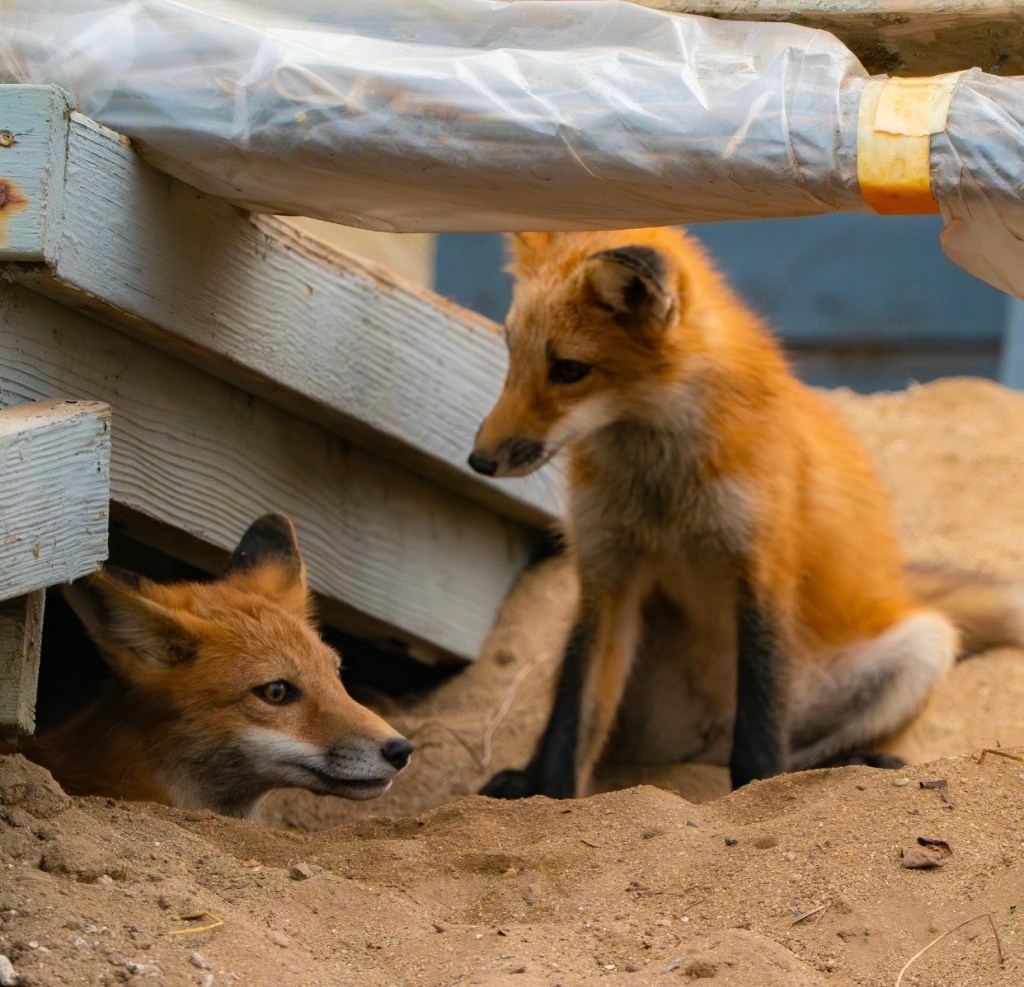
Two Red Foxes living at the beach under a lifeguard stand

Foxes are more solitary in their habits than are others in the dog family. They are territorial and can be aggressive, especially during the breeding season. Their once-a-year breeding season corresponds with the availability of food.

Despite the fact that urban foxes use human buildings for shelter and human refuse for food, their contact with humans is quite limited. Most people who live in an urban area have never seen a fox in the city. Foxes keep a nocturnal schedule, and in the nighttime are often mistaken for dogs when they are seen.

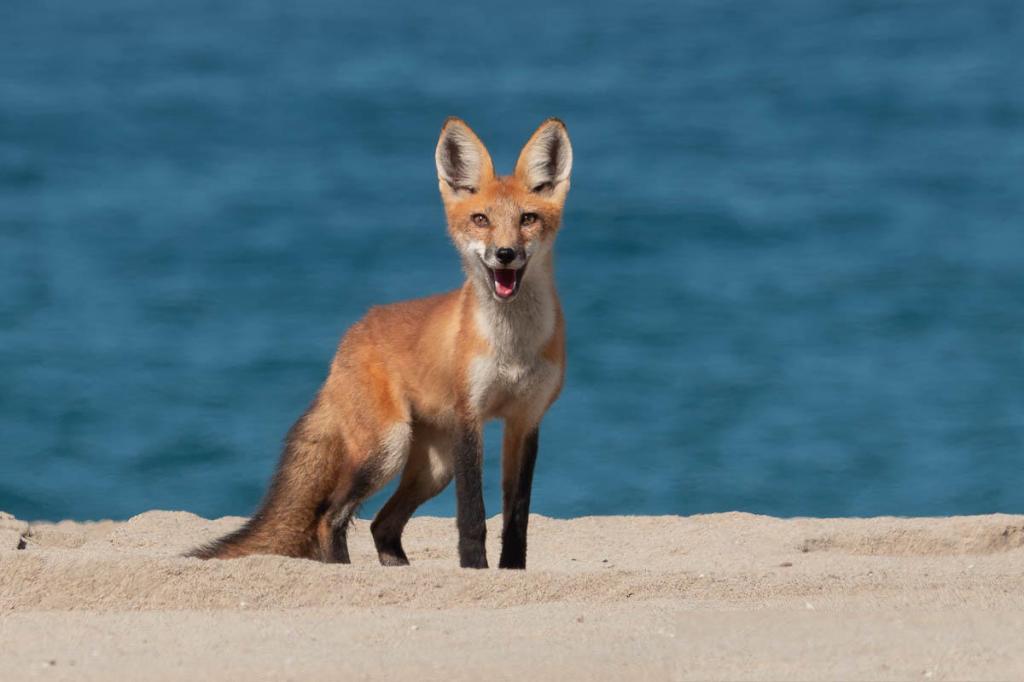
Red Foxes, the most commonly recognized fox, are known for their cleverness and have the largest range in North America. Although they are close relatives of the Gray Fox, they are considerably larger, normally ranging in size from ten to fifteen pounds. Their coats may be reddish or gray or even black, but their legs and feet are always black. The tail is tipped with white.

Socially, the fox communicates with body language and a variety of vocalizations. Its vocal range is quite large and its noises vary from a distinctive three-yip “lost call” to a shriek reminiscent of a human scream. It also communicates with scent, marking food and territorial boundary lines with urine and feces.

With all our fires and oil spills the last few years, our wild life has had to relocate and adapt. The bright side is some of our wild life thought to be outsourced by fires, and over building in rural areas have actually been thriving.

It’s exciting to witness one of my favorite animals in my own backyard, the Redondo Beach foxes.

Shine On

Morning Walk

“As a single footstep will not make a path on the earth,
so a single thought will not make a pathway in the mind.
To make a deep physical path, we walk again and again.
To make a deep mental path, we must think over and over
the kind of thoughts we wish to dominate our lives.”
Henry David Thoreau


Shine On